

Every headline, every landing page, every message that makes someone stop scrolling and start paying attention all comes down to the right words in the right order. That’s what we do at Cadmus Copy. We help businesses find the messaging that connect them to the people they serve.
But words aren’t just tools. They’re stories. Every one of them arrived in the English language carrying baggage; myths, fables, history and the fingerprints of the cultures that shaped them. The word echo carries a Greek girl’s heartbreak. Freelancer was once a medieval mercenary with a spear. Your Monday morning cereal is named after a persistently grieving goddess.
This collection of words and phrases explores the origins hiding inside everyday language, from Greek and Roman mythology to Norse Vikings, Aesop’s fables to battlefield history. Stories that you didn’t know you were telling every time you spoke them.
Because if words are how we connect, knowing where they come from makes that connection much, much richer.
Word From The Gods
1. ECHO
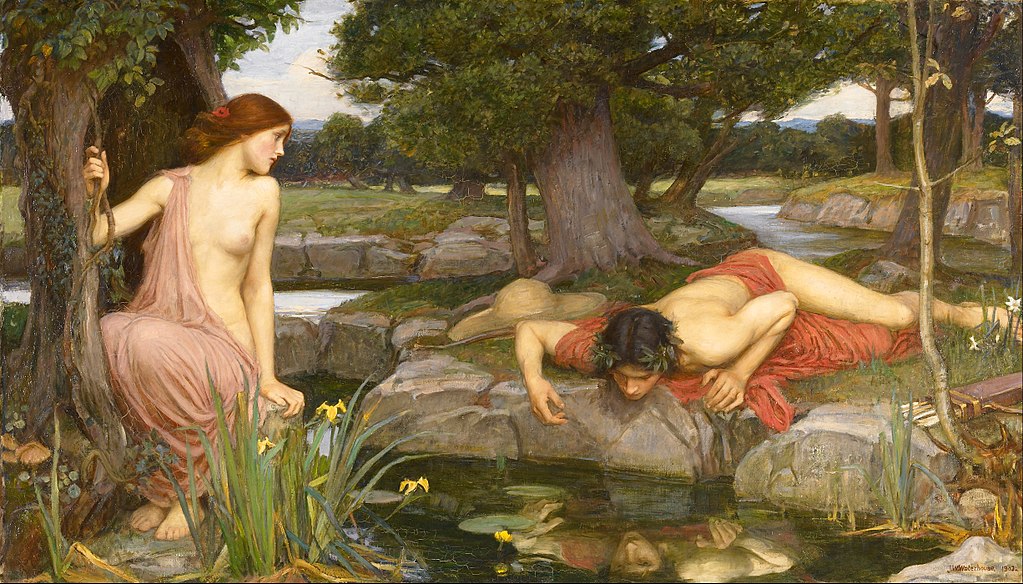
Hera, queen of the gods, had a surveillance issue. Her husband Zeus had a habit of disappearing into the mountains to spend time with various nymphs, and one nymph in particular (Echo) had a very useful gift: she could talk for hours. Hera would come looking for Zeus, and Echo would launch into such an entertaining stream of chatter that by the time Hera could get a word in, Zeus’s companions had long since scattered.
When Hera finally worked out what was happening, she was not amused. She cursed Echo so that she could never again speak first: the only words she could utter were the last words spoken to her. Echo’s own voice was gone. She could only ever give it back.
In this state, she fell desperately in love with a young hunter named Narcissus. She followed him through the woods, longing to call out to him, but she had to wait for him to speak first. When he finally shouted “Is anyone here?”, all she could answer was “Here!” When he cried “Come to me!”, she stepped from the trees and threw her arms around him. He shoved her away. She retreated into the caves, wasting away until nothing was left of her but her voice.
And there it stayed, bouncing off cliffs and valley walls, forever repeating the last thing said to it. No words of its own. Just yours, coming back to you.
Every echo you’ve ever heard is the last remnant of a girl who loved too much and talked even more.
2. NARCISSIST
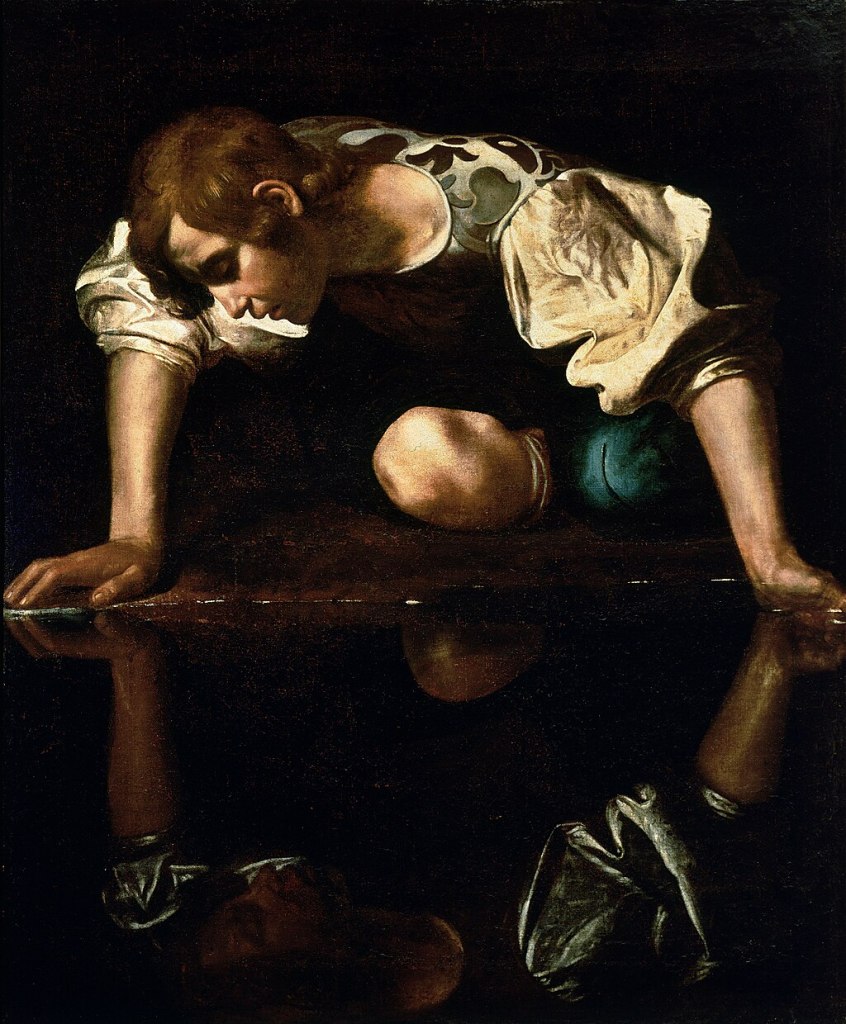
Narcissus was, by all accounts, extraordinarily good looking. He knew it. Everyone knew it. The nymphs adored him, the mortals worshipped him, and he rejected every single one of them, including the unfortunate Echo, who could only repeat his last words back at him as he walked away.
The goddess Nemesis (whose entire job was to punish exactly this sort of behaviour) decided enough was enough. She led Narcissus to a still, clear pool. He leaned down to drink, caught sight of his own reflection, and that was that.
He was captivated. He reached out to touch the face in the water. It reached back. He spoke to it. It mouthed his words. He was convinced, utterly and completely, that he had found the most perfect being he had ever encountered. He could not leave. He would not leave. He lay there at the edge of that pool, transfixed, until he wasted away and died, staring at himself.
Where he died, a flower grew. We call it the narcissus, the daffodil.
A narcissist today is someone so consumed by their own reflection (whether in a mirror, in the opinions of others, or in their own carefully curated online persona) that the people around them are simply props in a story that’s entirely about them. Narcissus at least had the excuse of divine intervention. Modern narcissists just have Instagram.
They’ll tell you all about themselves if you ask. And even if you don’t.
3. LABYRINTH

King Minos of Crete had a problem he couldn’t exactly mention in polite company. His wife Pasiphaë had, well… a rather complicated divine punishment from Poseidon and had given birth to a creature that was half man, half bull. The Minotaur, as it came to be known, was not the sort of houseguest you could hide in a spare room.
So Minos did what any king in his position would do: he commissioned the master craftsman Daedalus to build something. Not a cage. Something far more elaborate. An enormous underground maze of winding passages and dead ends so bewilderingly complex that nothing, once inside, could ever find its way out. This was the Labyrinth.
Every nine years, Athens was required to send seven young men and seven young women into it as tribute, to be hunted by the Minotaur in the dark. Until the Athenian hero Theseus volunteered to go in himself. Minos’ own daughter Ariadne fell for him immediately and pressed a ball of thread into his hand: unwind it as you go, follow it back when you’re done. Theseus found the Minotaur, killed it, and followed the thread out.
He walked back out of the impossible maze holding a piece of string (called a ‘clue’). Sometimes the simplest tools are the best ones.
Today, we call anything impossibly tangled or complex a labyrinth. Tax returns. Hospital corridors. Some software terms and conditions. All of them would’ve kept the Minotaur busy.
4. SIREN
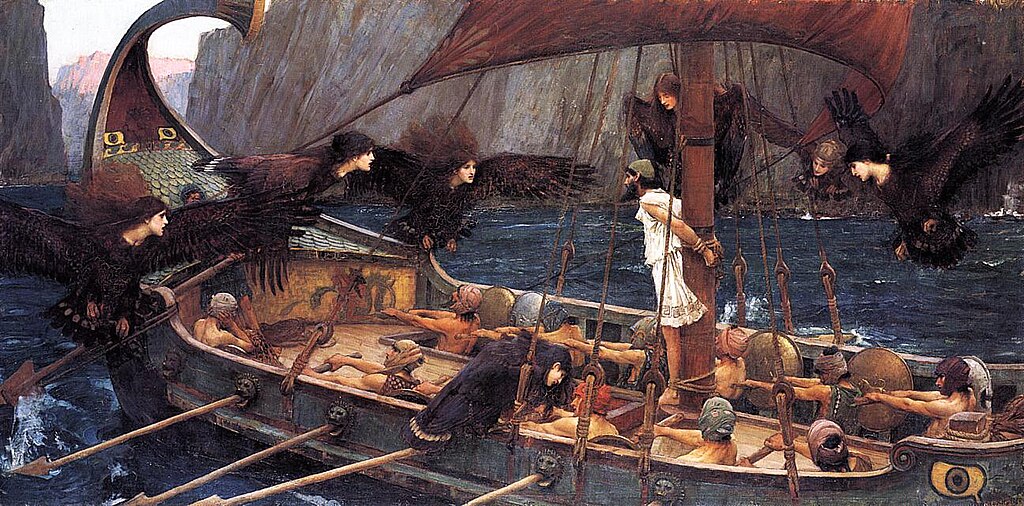
The Sirens had the most dangerous gift imaginable: a singing voice so beautiful that sailors would steer their ships directly onto the rocks just to get closer to the sound. They couldn’t help themselves. The music bypassed reason entirely.
In Homer’s Odyssey, Odysseus was warned about them. His solution was practical, if a little undignified: he had his crew plug their ears with beeswax so they couldn’t hear a thing, and then had them tie him to the mast of the ship so he could listen without being able to act on it. They sailed past, he heard the song, he screamed to be untied, and his crew rowed steadily onward and ignored him completely. One of the more sensible decisions anyone makes in Greek mythology.
The Sirens were sometimes depicted as birds with women’s heads, half creature, half enchantress. Their beauty was a trap. Their voices were the trap springing.
The word has split beautifully in two since then. A siren can still be a dangerously alluring temptation, a person or an idea that draws you toward disaster with a smile. But it’s also the wailing alarm that forces your attention, that cuts through the noise and demands you stop what you’re doing. Both meanings share the same root: something that compels you to respond, whether you want to or not.
The next time an ambulance screams past, you’re hearing a very old echo of something much more beautiful, and far more deadly.
5. VOLCANO

Vulcan was the son of Jupiter and Juno, king and queen of the Roman gods (the Greeks first named them Zeus and Hera). He should, by rights, have been magnificent. Instead, he was born ugly, and his own mother was so horrified that she threw the infant from the top of Mount Olympus.
He survived the fall. He always survived. And while the other gods lived in divine splendour above, Vulcan built his forge beneath the earth and got to work. He became the greatest craftsman who ever lived, divine or mortal. He forged Jupiter’s thunderbolts. He hammered out armour for heroes. He built the palaces on Olympus. The gods who had rejected him couldn’t get enough of what his hands could make.
His workshop, it was said, was located beneath Mount Etna in Sicily. The smoke that poured from the crater, the fire, the ground-shaking eruptions: all of it was Vulcan at his anvil, hammering with a fury that only someone who’d been thrown from a great height by his own mother could fully understand.
The Romans named the phenomenon after him. Volcanus. From which we get volcano, quite literally the forge of the god nobody wanted.
There’s something quietly satisfying about that. The rejected child, working in the dark, generating enough heat and power to reshape landscapes. Every volcano on earth is named after a man who was underestimated. Turns out being thrown from a great height by your own mother is not, in the long run, a career-ending event.
6. CEREAL
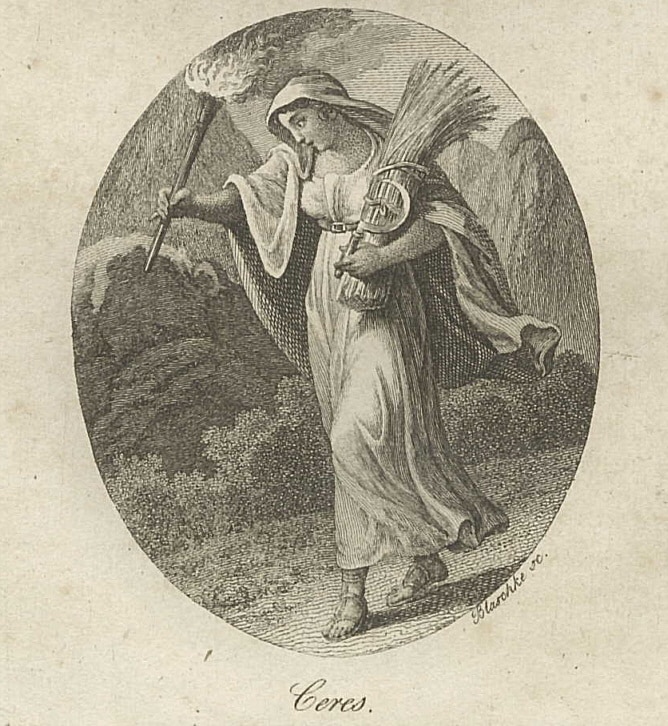
Ceres was the Roman goddess of grain, agriculture and the harvest: the reason crops grew, the reason bread existed, the reason the ancient world didn’t starve. She was, by any measure, indispensable.
Then her daughter Proserpina was abducted.
Pluto, god of the Underworld, seized Proserpina and dragged her below the earth to be his queen. Ceres searched everywhere, frantically, desperately, the way only a mother can search. And while she searched, she let everything go. The crops withered. The grain refused to grow. The earth went cold and bare. Famine spread across the world. The gods began to panic.
Jupiter eventually stepped in. He brokered a compromise: Proserpina would spend half the year above ground with her mother, and half the year below with Pluto. It was not a perfect solution (it was barely a solution at all) but it was the best on offer.
And so, every year, when Proserpina descends back into the Underworld, Ceres grieves, and the world grows cold and grey. When Proserpina returns, Ceres rejoices, and spring begins. The Romans understood the seasons as a mother’s love, reliable as sunrise, and just as rooted in grief.
Every time you pour yourself a bowl of cereal in the morning, you are, without knowing it, paying tribute to a grieving goddess and the deal that gave us winter.
Cereal. The most mythological thing on your breakfast table.
7. JOVIAL
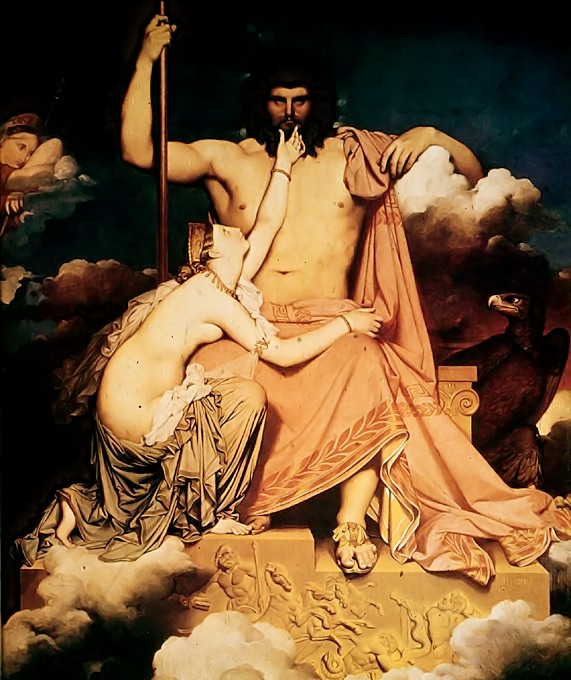
Jove (or Jupiter, as the Romans also called him) was the king of the Roman gods, as I’ve mentioned. God of sky and thunder, master of Olympus, ruler of the divine and the mortal worlds alike. An important fellow by any standard.
But it was astrology that gave us this word, not mythology directly.
In Roman astrological tradition, each planet was thought to govern the character of people born under its influence. Those born under Mars were warlike. Those under Saturn were gloomy and slow, giving us ‘saturnine.’ Those under Mercury were quick and restless, giving us “mercurial.” And those born under Jupiter, the great “lucky planet,” were considered to be cheerful, generous, warm-hearted, and naturally fortunate. Full of good humour. Easy to be around.
They were jovial, blessed, in temperament, by Jove himself.
The word has outlasted the astrology entirely. We no longer check Jupiter’s position before deciding whether to trust someone’s mood. But jovial still carries exactly the warmth it always did: that quality of easy, genuine good cheer that puts people at their ease. The sort of person who walks into a room and makes it lighter.
If someone calls you jovial, they’re essentially saying you carry Jupiter’s luck in your personality. Which, all things considered, is a rather lovely thing to carry around. Better than being born under Saturn, certainly; that one gave us saturnine, which is considerably less fun at parties.
8. MERCURIAL

Mercury was the Roman messenger god, and it’s worth pausing on that role for a moment, because it was considerably more demanding than it sounds. He darted between Olympus and the mortal world, between the land of the living and the Underworld, between the divine and the human. No boundaries could hold him. No single realm could claim him.
He wore winged sandals and a winged helmet because he was always, always in motion. He carried a caduceus (a staff entwined with two serpents) and could put mortals to sleep or wake them with a touch. He was the god of travellers, merchants, orators, and, somewhat revealingly, thieves. The sort of god who could charm his way in and out of anything, and who probably knew far more than he let on.
To call someone mercurial is to say their character moves like Mercury moves. Quick, brilliant, unpredictable. Their mood shifts as fast as their feet. One moment warm and witty; the next, distant and difficult. They’re never quite where you expect them to be, emotionally or otherwise.
It’s not always a criticism. Mercurial people tend to be the most interesting ones in the room. The ones who say the unexpected thing, who change direction mid-thought and arrive somewhere genuinely surprising. The problem is you can never quite keep up.
Like Mercury himself: by the time you’ve worked out where they were, they’re already somewhere else entirely.
9. ODYSSEY

The Trojan War lasted ten years. It took Odysseus another ten years to get home.
Homer’s Odyssey is one of the oldest stories in the Western tradition, and it is, at its core, a very relatable tale: a man trying to get home, being repeatedly prevented from doing so by circumstances largely beyond his control. Gods with grudges, sea monsters, witches, whirlpools, a one-eyed giant, the world’s most persistent group of houseguests eating him out of house and home back in Ithaca. Odysseus dealt with all of it.
He outwitted the Cyclops Polyphemus. He resisted the witch Circe, who turned his men into pigs (though he did spend a year at her place, so “resisted” might be generous). He sailed past the Sirens tied to his mast. He navigated between Scylla and Charybdis. He descended to the Underworld and came back. He spent seven years on an island with the nymph Calypso, which depending on your perspective is either a terrible ordeal or suspicious procrastination.
It was, in the truest sense, an eventful journey either way.
Today, any long and adventure-laden journey (physical or metaphorical) is called an odyssey. A cross-country road trip. A career change that takes years longer than expected. The process of trying to get through to your internet provider’s customer service line. Some things have more in common with Odysseus than others.
The important thing is that he got home in the end. Most of us do.
10. CHAOS
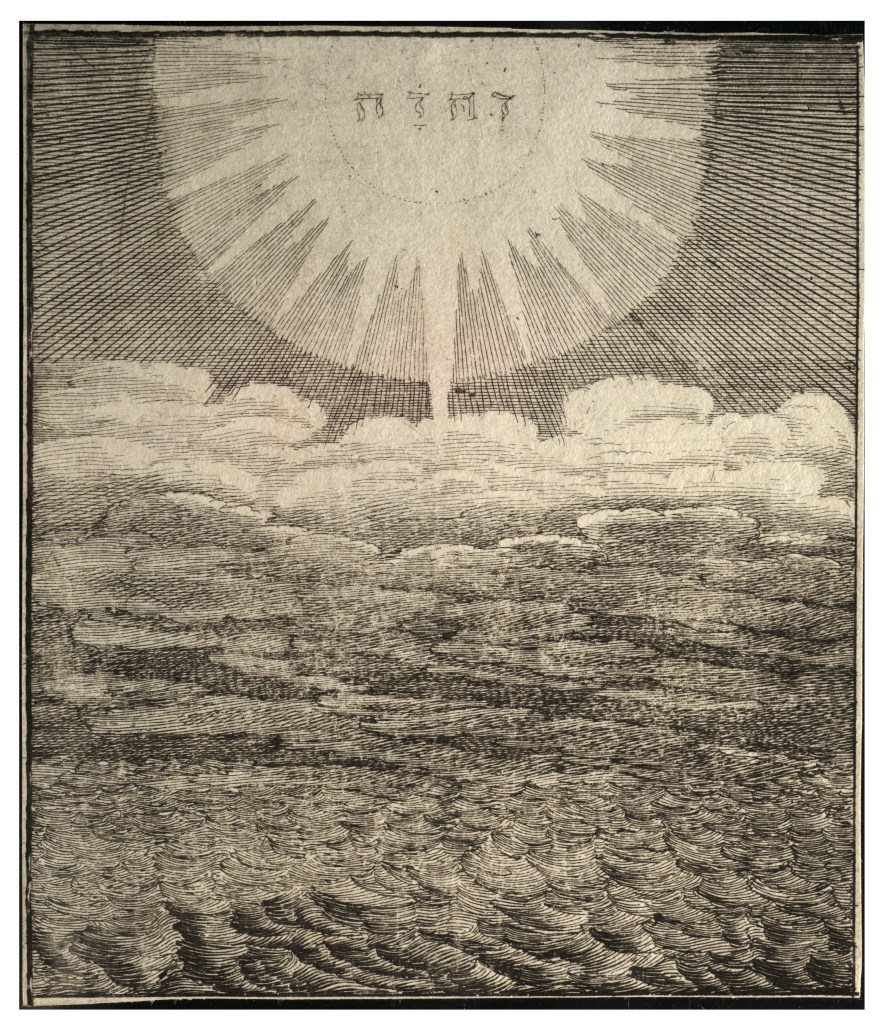
In the beginning (and the ancient Greeks thought very carefully about beginnings) there was Chaos.
Not the car-crash, everything-on-fire, where-did-I-put-my-keys chaos we mean today. The original Chaos was something altogether stranger and more profound: a vast, formless void. The gap before existence. Not darkness, not emptiness, but something prior to both of those things. A state so fundamental it had no shape to speak of.
From Chaos, the first things emerged. Gaia, the earth. Tartarus, the deep abyss. Eros, the force of love. Nyx, the night. Erebus, the darkness. The universe unfolded from this primal nothing like a slow exhalation.
The ancient Greeks, in other words, saw Chaos not as disorder but as potential. It was the source of everything. The unmarked page before the first word. The silence before the first note. It was not threatening; it was generative.
At some point between then and now, the meaning flipped entirely. Now chaos means confusion, disorder, everything happening badly at once. The opposite of what the Greeks intended. We took their word for the pregnant silence before creation and turned it into a description of a busy Monday morning.
It says something rather interesting about us that we couldn’t leave well enough alone: we turned the void of infinite possibility into a word for when things go wrong. The Greeks saw potential. We see a mess. Perhaps that’s the real difference between ancient philosophy and belated school runs.
Does that make you think about chaos differently? It does me.
11. SISYPHEAN
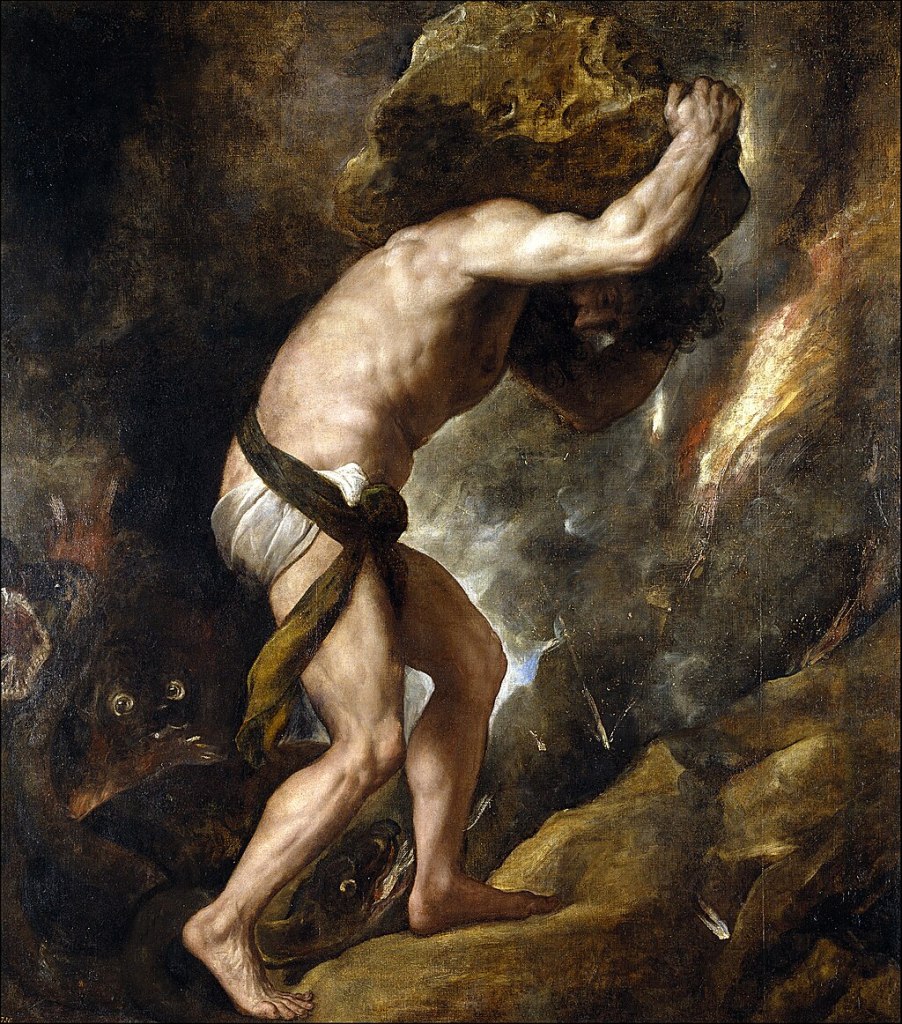
Sisyphus, King of Corinth, was clever enough to cheat death. Twice.
The first time, when the god Thanatos (Death himself) came with chains to take him to the Underworld, Sisyphus managed to trick Thanatos into demonstrating how the chains worked. Death ended up in his own shackles. For a while, nobody on earth could die. Ares, god of war, was furious (wars are considerably less interesting when they’re non-fatal) and eventually freed Thanatos, who came for Sisyphus again.
The second time, Sisyphus had planned ahead. He’d instructed his wife to leave his body unburied and skip the funeral rites. Once in the Underworld, he complained to Persephone that his wife had been terribly negligent and could he please go back to the land of the living to sort her out? Persephone said yes. Sisyphus went back to Corinth and, naturally, declined to return. He lived to a ripe old age.
When he finally died properly, the gods were ready for him. His punishment was legendary: roll a boulder up a hill, watch it roll back down, roll it up again. For eternity. Every time he nears the top, it escapes him. He begins again. He always begins again.
A Sisyphean task is one that is endless and futile by design: one where the effort itself is the point, and completion is never coming. Clearing your email inbox. Tidying a house with children in it. Trying to stay on top of the news.
Sisyphus would recognise all of it.
12. CHIMERA
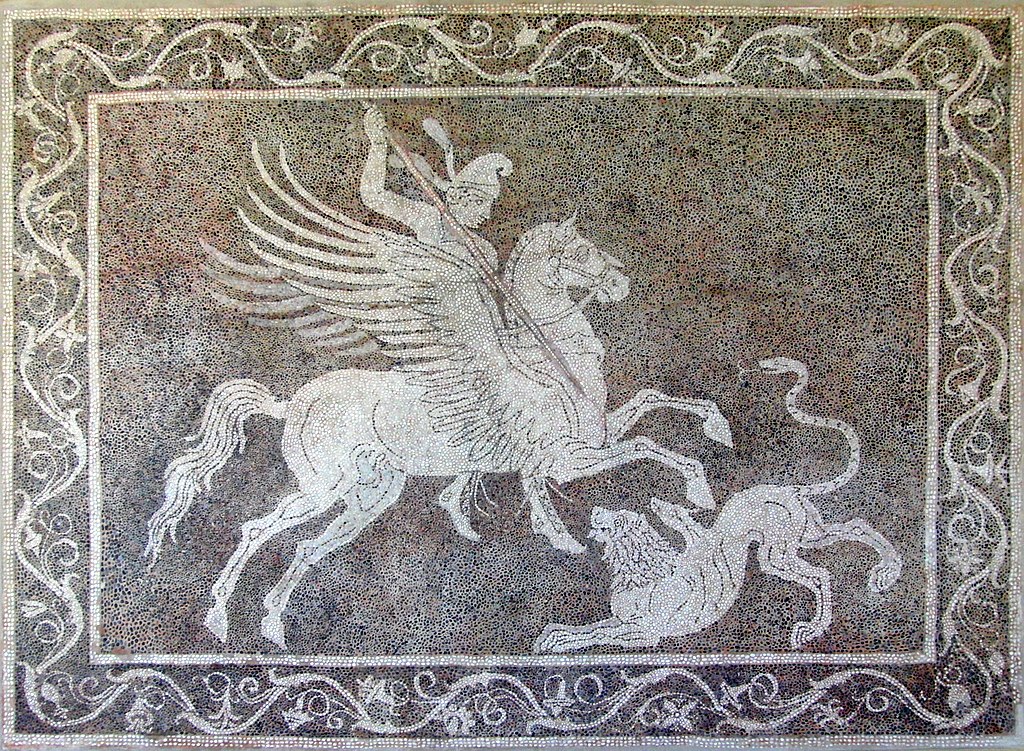
The Chimera was an extraordinary contradiction, even by the standards of ancient Lycia. It had the head of a lion, the body of a goat, and a tail that was a living serpent. It breathed fire. It was terrorising the countryside in a way that made the locals deeply unhappy.
The hero Bellerophon was sent to deal with it, by a king, incidentally, who rather hoped Bellerophon would be killed in the attempt, which tells you something about how seriously the Chimera was taken. But Bellerophon had an advantage: the winged horse Pegasus. Staying well above the range of the fire, he rained arrows down on the creature until it was defeated. Aerial warfare has ancient precedents.
The Chimera was, in every sense, a creature made of incompatible parts. A lion is not a goat. A goat is not a serpent. Nothing about it should cohere, and yet there it was, terrifying and real.
Today, a chimera is something impossibly fanciful. An idea, a plan, a dream made of parts that don’t belong together, parts that couldn’t, in any rational world, hold. In biology, a chimera is an organism with two different sets of DNA, which sounds equally improbable but is entirely real.
In everyday usage, it tends to mean something you’re chasing that doesn’t quite exist: a perfect solution, a flawless plan, an outcome so good it couldn’t possibly materialise. Every industry has its chimeras.
13. NEMESIS
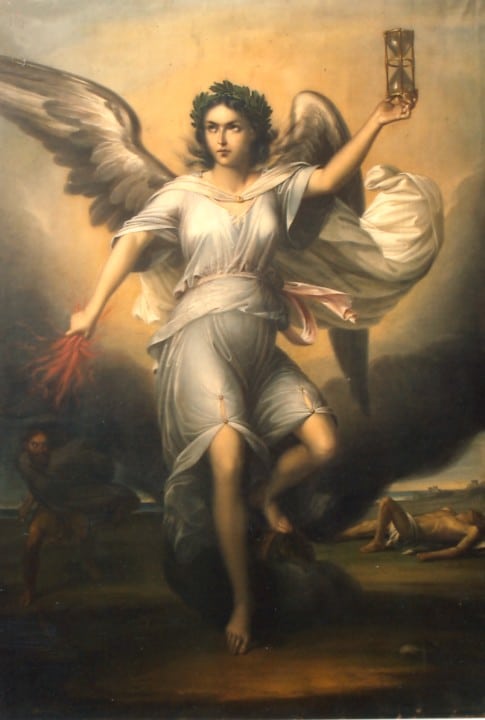
Nemesis didn’t hate anyone in particular. That wasn’t her job. Her job was balance.
She was the Greek goddess of retribution, specifically the kind directed at those who had become too lucky, too proud, or too convinced of their own specialness. The word nemesis comes from the Greek nemein, meaning “to give what is due.” She wasn’t cruel; she was precise. If you’d had more than your fair share of good fortune, Nemesis took a professional interest in you. If you had committed hubris (the particular Greek sin of excessive pride, of forgetting your place in the order of things) she was already on her way.
She punished Narcissus for his cruelty toward those who loved him. She pursued those who escaped consequences they’d earned. She wasn’t revenge, exactly; she was the cosmic adjustment. The universe correcting for imbalance.
In modern usage, your nemesis is your great opponent: the rival who matches you perfectly, the person or force that seems designed specifically to undo you. Batman has the Joker. Sherlock Holmes has Moriarty. Every great hero has a nemesis, and every nemesis is, in its own way, a form of reckoning.
But the original meaning is worth holding onto. Nemesis wasn’t personal. She wasn’t spiteful. She just ensured that no one got away with too much for too long. She was the cosmic ledger, balancing accounts with perfect, impersonal patience.
There’s something oddly comforting about that, actually.
14. AURORA
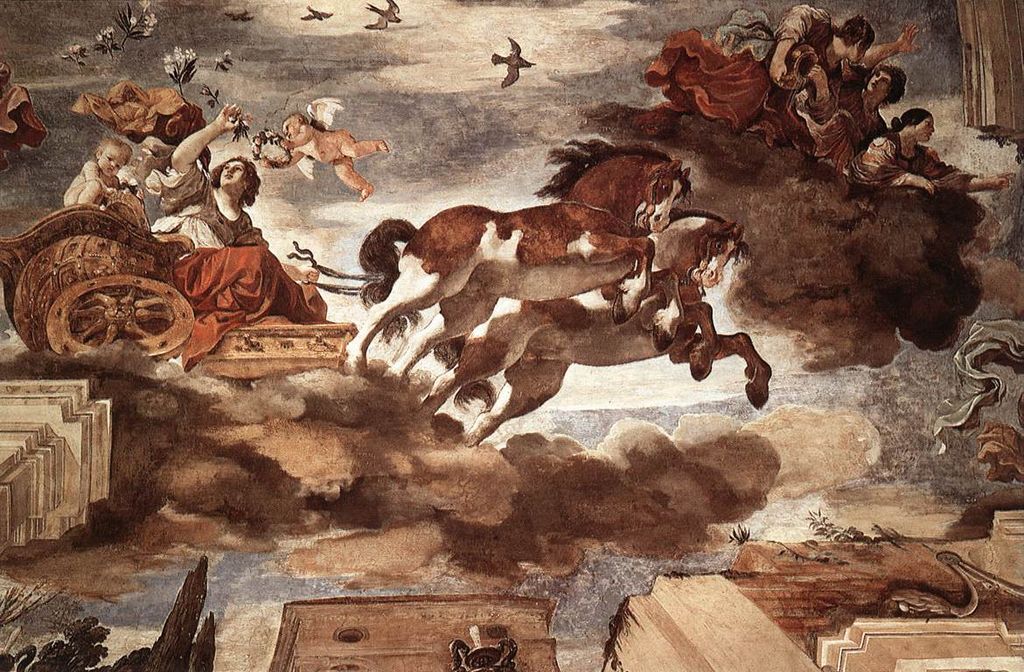
Every single morning, rain, shine, or indifferent Scottish grey, Aurora was at it.
She was the Roman goddess of the dawn, and her daily commute was considerably more dramatic than most. Each morning she rose from the ocean in a chariot drawn by winged horses, her robes shifting through rose and gold and pale violet, scattering the darkness ahead of her brother the Sun. She announced his arrival, every day, without fail. The sky you see at first light is hers.
The Romans adored her. She was one of the few gods whose job description was simply to be beautiful and regular, which in a pantheon full of scheming and warfare made her rather refreshing.
She gave her name to the most spectacular light show on earth: the Aurora Borealis. Those shimmering curtains of green and violet and white that hang above the Arctic in winter (the Northern Lights) are named after the goddess of the dawn. It’s a poetic match. Aurora painted the sky with colour each morning; the Aurora Borealis does the same thing in the night.
The word also lives on in aurora, the soft natural glow that appears in the sky just before sunrise or after sunset, that liminal, in-between light that belongs to neither day nor night. It’s one of the gentler words the Romans gave us. Not a battle, not a punishment, not a divine feud, just a goddess showing up faithfully every morning to do her job
15. PROTEAN
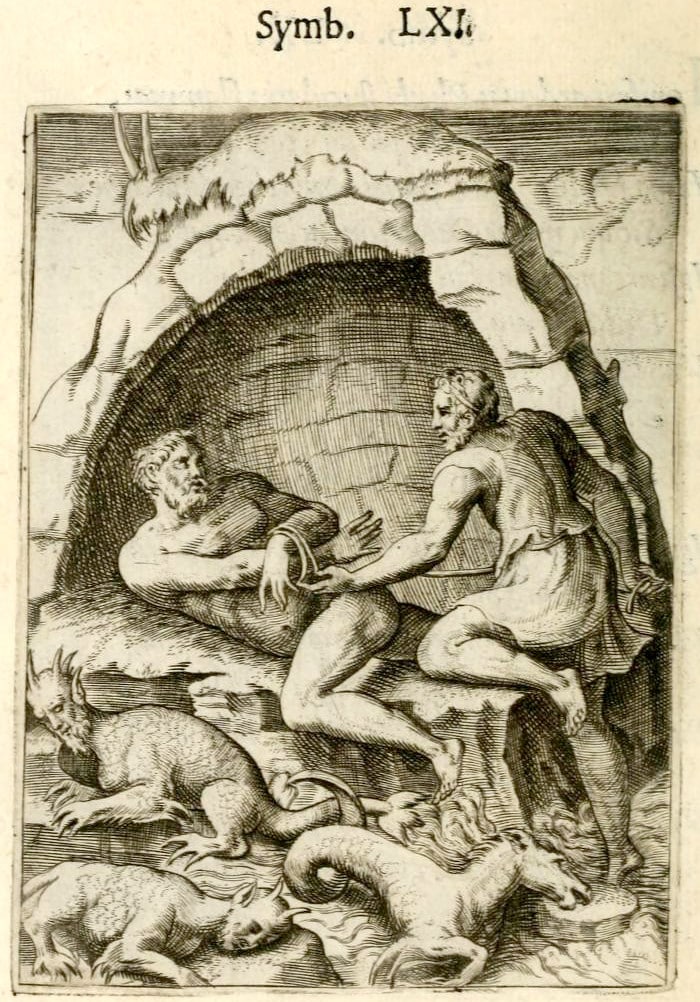
Proteus was one of the elder sea gods, old even by the standards of Olympus. Homer called him the “Old Man of the Sea,” and he had two gifts that made him exceptionally difficult to deal with.
The first was prophecy. Proteus knew the secrets of the deep ocean, the past and the future, the things the other gods preferred to keep quiet. If you could get him to talk, he’d tell you anything.
The second gift was shape-shifting, which was his way of ensuring you couldn’t get him to talk. If you tried to seize him and demand answers, he’d become a lion. Then a serpent. Then a tree. Then water itself, running through your fingers. He’d take any form to avoid being pinned down. The only way to get a prophecy from Proteus was to hold on through every transformation, refusing to let go no matter what shape he took, until he gave up and answered your question.
Most people couldn’t manage it.
To be protean, then, is to be endlessly adaptable, capable of taking on new forms, new roles, new approaches, without losing your essential self. It’s a quality we prize in writers, in leaders, in businesses. The ability to shift without breaking. To be something different in every room without being false in any of them.
The catch, of course, is that protean people (like Proteus himself) can be remarkably hard to pin down.
16. HALCYON
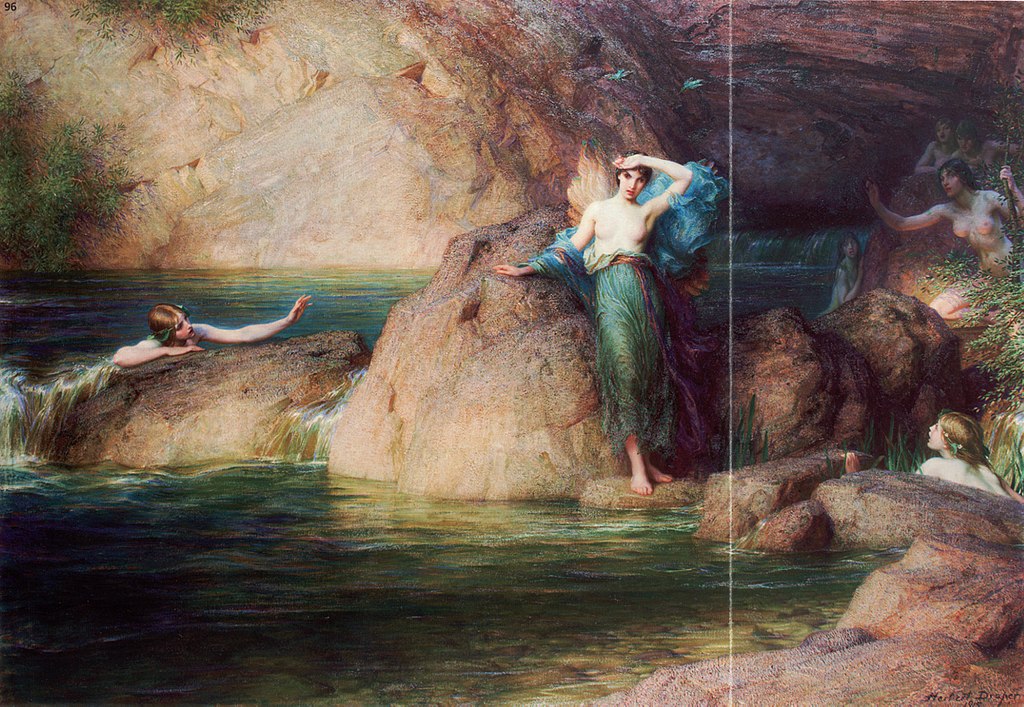
Alcyone was the daughter of Aeolus, god of the winds. She married the king Ceyx, and by all accounts they were wildly happy together, so happy, in fact, that they made the mistake of comparing themselves to Zeus and Hera. Zeus, who has never taken that sort of thing well, sent a storm that sank Ceyx’s ship while he was at sea, killing him.
When Alcyone found out, she threw herself into the waves to join him.
The gods, moved apparently by the scale of her grief, transformed them both into kingfisher birds, so they could live together on the water. But Alcyone’s eggs kept washing away in the winter storms. Zeus, perhaps feeling some guilt at this point, commanded her father Aeolus to still the winds for seven days on either side of the winter solstice, so she could nest and hatch her eggs in peace.
Fourteen days of calm in the middle of winter. The ancient Greeks called them the halcyon days.
The phrase has drifted since then; it no longer refers specifically to those two weeks in December. Halcyon days now means any period of peace, happiness, and simplicity, usually in the past, usually looked back on with a kind of tender nostalgia. “The halcyon days of my youth.” “Those were halcyon times.”
A brief gift of calm in the middle of something stormy, named after a kingfisher who lost everything and was given a little quiet in return.
17. PROMETHEAN
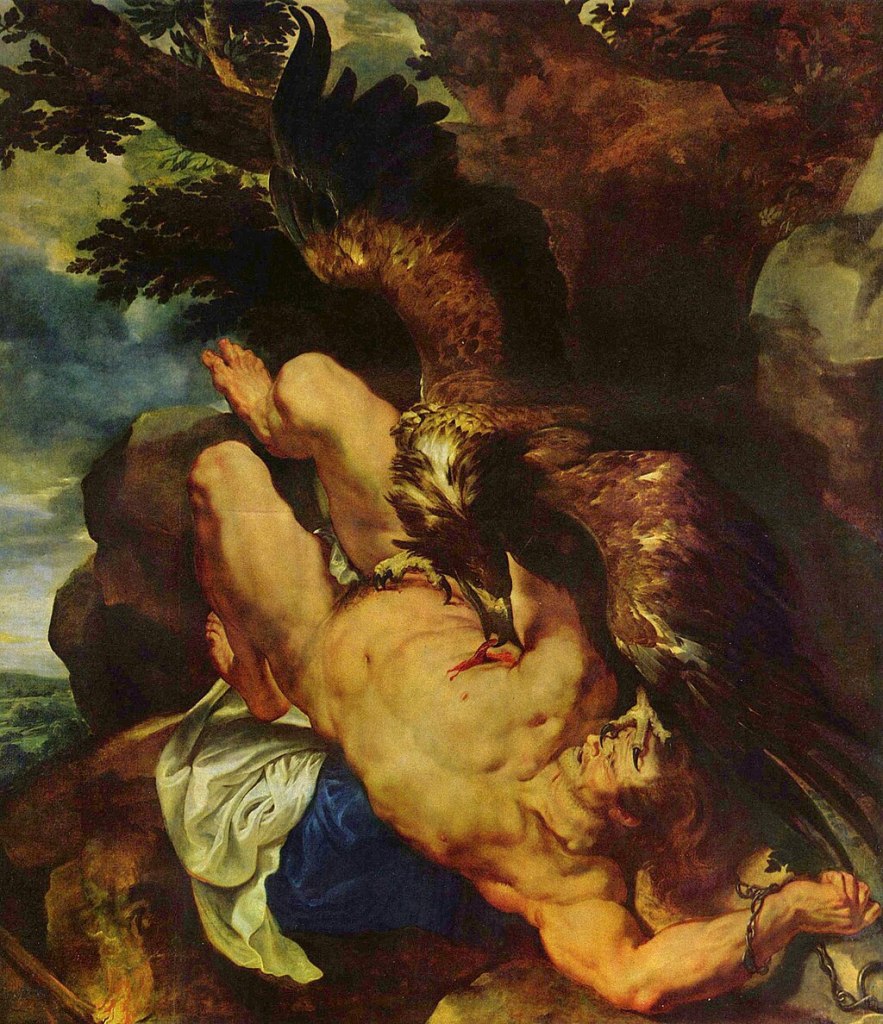
Prometheus stole fire from the gods and gave it to humanity.
That sentence sounds simple, but consider what it actually meant. Fire was heat, light, protection, cooked food, metalworking, pottery, warmth in winter: in short, the entire trajectory of human civilisation. Without fire, we stay cold in caves. Beyond that, it was an internal fire to fuel innovation.
With it, we build everything. Prometheus looked at humanity shivering in the dark and decided we deserved better, regardless of what Zeus thought about it.
Zeus thought quite a lot about it, as it turned out.
The punishment was specific and terrible: Prometheus was chained to a rock. Each day, an eagle came and devoured his liver. Each night, the liver grew back. The next morning, the eagle returned. This was to last for eternity: an immortal body in perpetual, regenerating agony. Zeus was not someone who went in for half-measures.
Prometheus endured it. He didn’t recant. He didn’t apologise. He had given humanity the means to survive, to thrive, to progress, and whatever it cost him personally, he considered the exchange fair.
To be Promethean is to be boldly, defiantly creative. To bring something new into the world at great personal cost because you believe it matters. Mary Shelley subtitled her novel Frankenstein “The Modern Prometheus”, a creator who gives life and pays the price. The word still carries that weight: ambition, defiance, and the willingness to suffer for what you’ve made. Whether or not an eagle is involved.
18. HERCULEAN
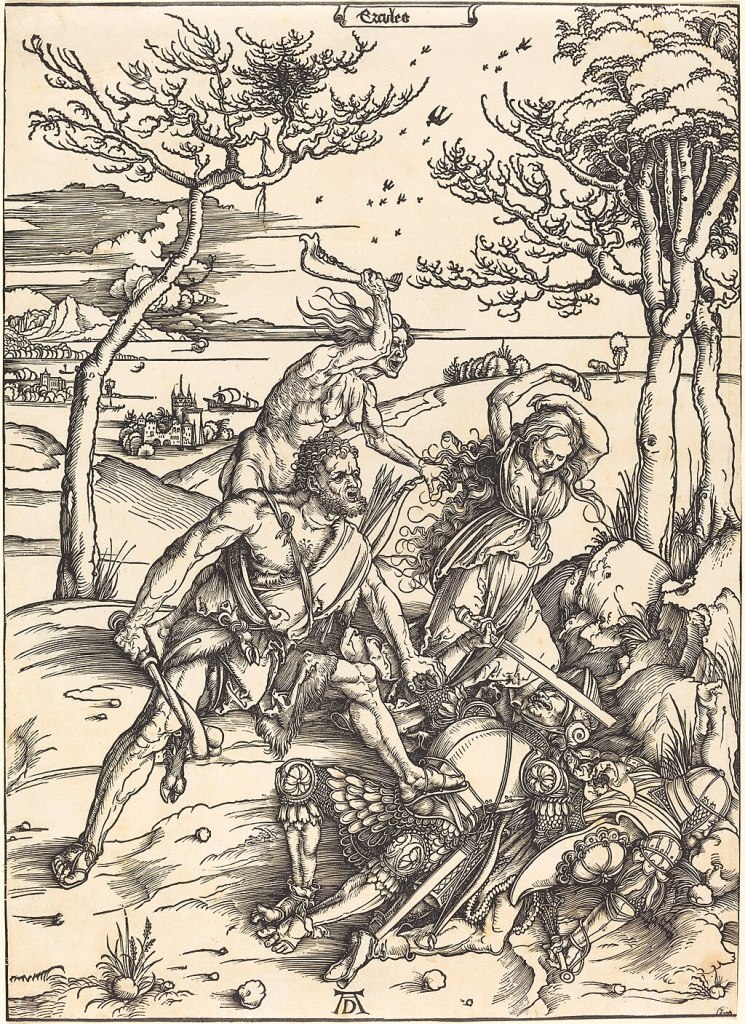
Hercules did not get off to a great start.
He was the son of Zeus and a mortal woman, which made Hera, Zeus’s wife, furious. She sent madness upon him. In the grip of it, Hercules killed his own children. When his sanity returned and he understood what he had done, he was destroyed. The oracle at Delphi told him that to atone, he must serve King Eurystheus of Tiryns and complete whatever tasks the king set him. There were twelve of these tasks. Eurystheus, aware of the oracle’s reputation and terrified of Hercules, made sure each one was impossible.
He cleaned the Augean stables (thirty years of accumulated filth from thousands of divine cattle) in a single day, by diverting two rivers through them. He slew the Hydra, which grew two heads for every one he cut off (he cauterised the stumps, which is the kind of creative problem-solving that wins wars). He descended to the Underworld and brought back Cerberus, the three-headed guard dog, alive and on a lead.
Each task was designed to be fatal. None of them were, quite.
A Herculean task, then, is one that demands more than any reasonable person should be expected to give. Extraordinary strength, endurance, ingenuity. Not just ‘difficult’: categorically, absurdly, mythologically difficult. The word earns its capital H. And rightly so.
19. GORDIAN KNOT
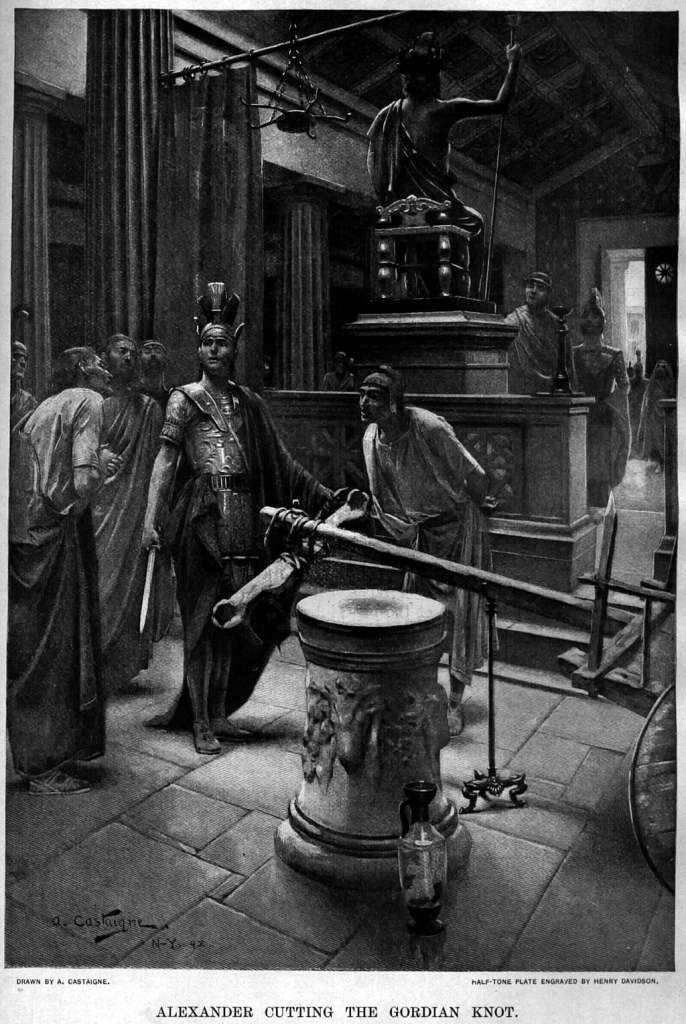
In the ancient city of Gordium (in what is now Turkey) there was an ox-cart in the temple of Zeus. It had been placed there generations before by Gordias, a peasant farmer who had unexpectedly become king of Phrygia through a series of events that mostly involved an eagle and an oracle. The yoke of the cart was fastened to a pole with an intricate knot of cornel bark, with no beginning, no end, the strands wound together so tightly that nobody could find where to start unravelling it.
An oracle had declared that whoever untied it would rule all of Asia. For centuries, people tried. Nobody managed it.
Then Alexander the Great marched into Gordium in 333 BC.
He examined the knot. He couldn’t find the end either. He stood there for a moment, considering. Then he drew his sword and sliced straight through it.
There are alternative accounts (some say he simply pulled out the lynchpin from the pole, which would have been equally lateral and considerably less dramatic) but it’s the sword that history remembers. “It makes no difference how it is loosed,” he reportedly said. He was right. He went on to conquer much of Asia regardless.
Cutting the Gordian Knot has come to mean solving a complex problem with a single bold, decisive action, bypassing the expected method entirely. Sometimes the elegant solution isn’t elegant at all. It’s just fast.
20. PYGMALION EFFECT
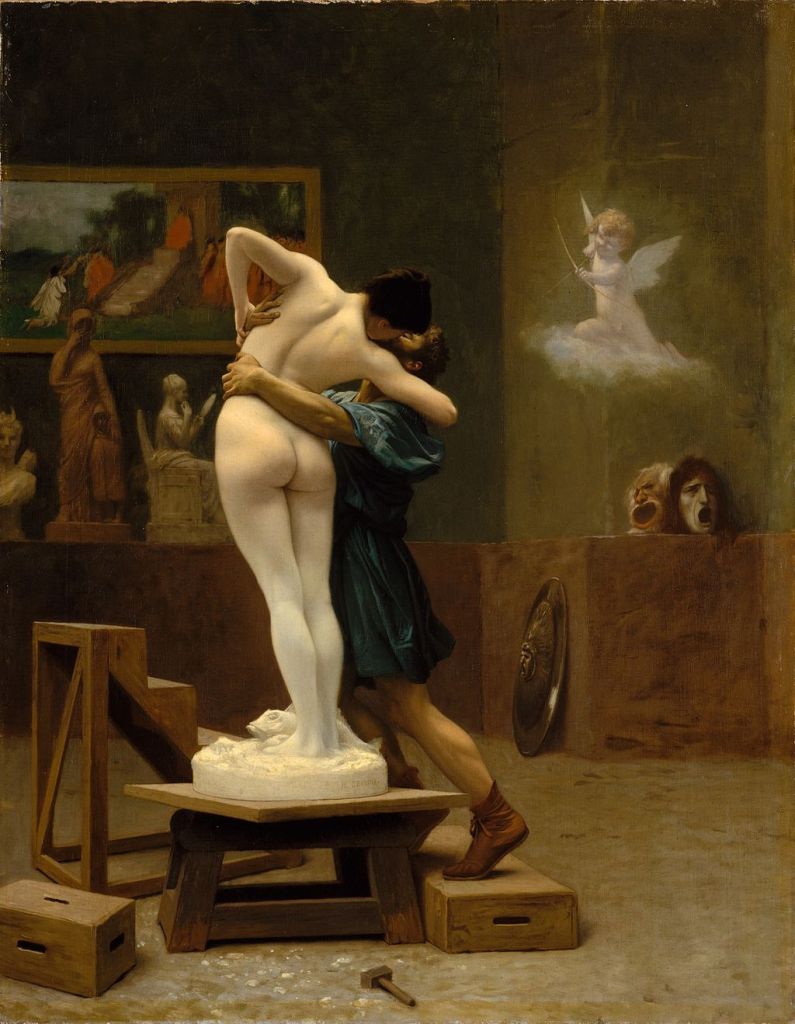
Pygmalion was a sculptor from Cyprus who had become thoroughly disillusioned with real women. So he did what any reasonable artist would do: he carved an ideal one from ivory. He poured everything into it: every skill, every hour, every standard the real world had failed to meet. The result was so beautiful that he fell completely in love with his own creation.
He dressed the statue. He gave it jewellery. He whispered to it, kissed it, lay it in his bed with a pillow beneath its head. Ovid, who tells the story best, describes it with a kind of amused compassion, this man totally undone by something he’d made with his own hands.
At the festival of Aphrodite, Pygmalion prayed, not quite daring to ask for what he actually wanted, instead asking for someone “like his ivory girl.” Aphrodite, who knew exactly what he meant, came to his studio, took a look at the statue, appreciated the craftsmanship (it apparently resembled her quite closely), and brought it to life.
He came home, kissed her, and found her lips were warm.
The Pygmalion Effect in modern psychology describes something real and rather wonderful: the way high expectations genuinely improve performance. Teachers who believe in their students get better results. Managers who expect the best from their teams tend to get it. Believing in someone, truly and persistently, can bring something to life in them.
The sculptor’s belief made his statue real. Your belief in someone might do the same.
The Pygmalion Effect has been demonstrated in classrooms, workplaces, and sports fields the world over.
Words the Vikings Left Behind
21. BERSERK
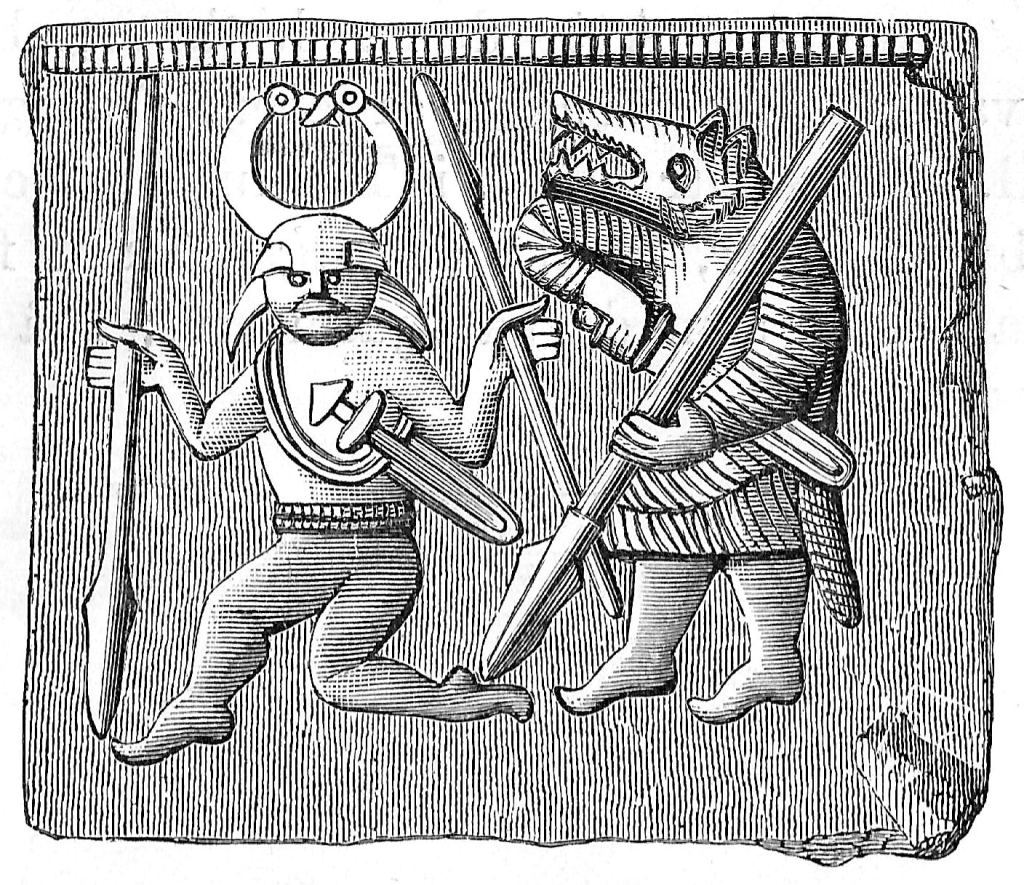
The berserkers were Norse warriors of a very particular type, and “going berserk” was, for them, not a crisis but an achievement.
Before battle, these fighters would enter a state of trance-like fury. They howled. They bit the edges of their shields. They fought with an apparent indifference to pain and injury that terrified enemies and impressed allies in equal measure. They wore bear skins or wolf skins into battle (the Old Norse word berserkr most likely means “bear-shirt”) and were thought to channel the raw power of those animals. A berserker in full flight was less soldier than force of nature.
Historians still debate exactly how they got there. Some believe psychoactive plants were involved, with certain mushrooms native to Scandinavia proposed as candidates, which would explain quite a lot. Others argue it was a near-religious state, a genuine altered consciousness achieved through ritual, fasting, and the particular psychology of men who had decided, in advance, that they did not intend to survive the day.
Either way, it worked. Berserkers were feared across the Norse world, and their reputation reached far beyond Scandinavia.
Today, going berserk means losing control in a chaotic, unhinged way. We’ve stripped out the ritual and the intention and kept only the fury. The bear-shirted warrior channelling divine rage has become a person shouting at traffic. Language, as ever, softens things.
22. WINDOW
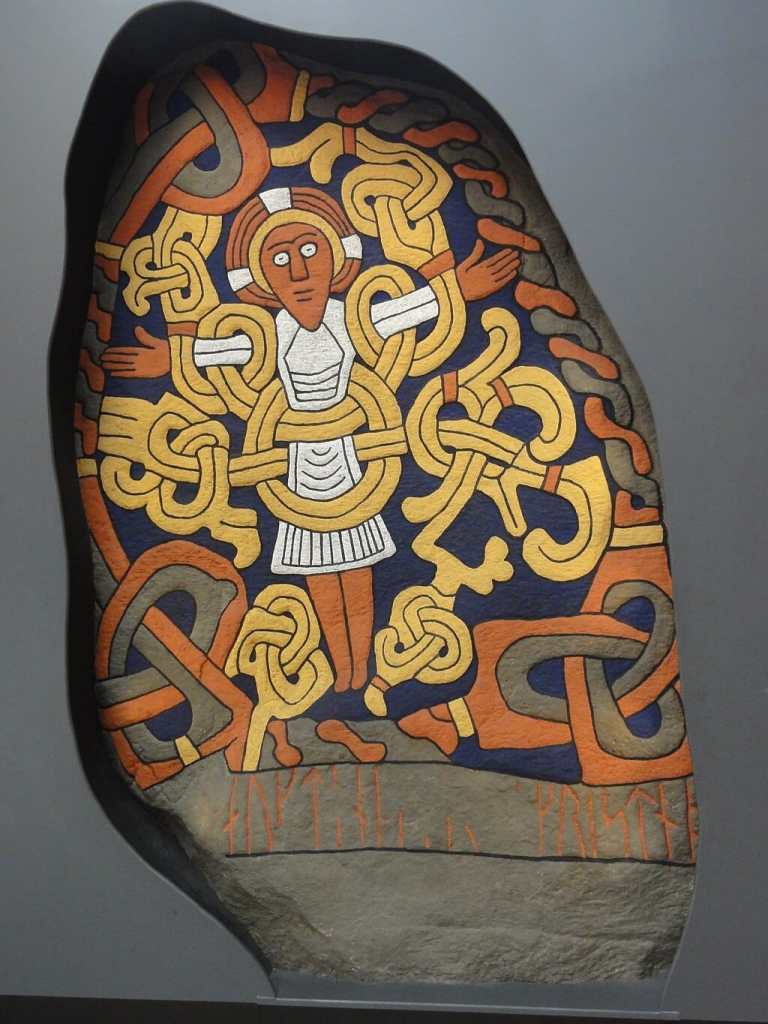
Before we had glass (before windows were transparent, sealed, double-glazed, and draught-proof) a window was simply a hole in the wall.
A necessary hole. A deliberate hole. But a hole nonetheless.
The Vikings, who were not especially sentimental about most things, gave this hole a name that is almost startlingly poetic: vindauga. From vindr, meaning wind, and auga, meaning eye. A wind-eye. An eye for the wind; a gap through which the outside world could look in and the inside world could look out. Light came through it. Air came through it. In winter, so did everything else.
The word arrived in English from Old Norse, as so many blunt and practical words did, carried over by Norse settlers who had useful names for useful things. Old English had its own word (eagþyrl, meaning “eye-hole”) but vindauga was better, and it stuck.
We’ve since filled our windows with glass and sealed the gaps, but the name remembers what they used to be. Every window you look through is, etymologically, still a hole in the wall with a Viking name.
There’s something rather lovely about that. You look out at the world every morning through a word that’s over a thousand years old, coined by people who understood that light and wind come through the same gap, and decided to name it accordingly.
The word also gave us windscreen, windpipe, and window shopping, none of which the Vikings could have anticipated, but all of which follow the same principle.
The next time you look out of a window, you’re gazing through a Viking’s eye. Worth a moment’s appreciation, I think.
23. HUSBAND

Here’s a word that has changed its meaning more quietly than almost any other.
The Old Norse word was husbondi, from hus, meaning house, and bondi, meaning dweller, or one who manages a household. A husband was simply the person who ran the home. Not a romantic title. Not a marital one. Just a practical designation for whoever was in charge of the domestic operation.
Husbandry still carries this older meaning intact: animal husbandry, husbandry of resources, careful stewardship and management of things in your care. When a Victorian farming manual talks about ‘good husbandry,’ it means exactly what the Vikings meant: attentive, skilled management of what you have.
The romantic meaning came later, gradually, as the role of ‘master of the house’ became tied to the institution of marriage. The person who ran the household was usually the man of the family, who was usually the married man, and so husband slid from a job title to a marital one.
What started as a practical Norse word for someone who looked after the livestock and kept the longhouse in order ended up on wedding invitations.
The Vikings, practical people that they were, probably would have found this development puzzling but would have accepted it with reasonable equanimity. Language drifts. Meanings soften. The house-dweller became the loved one.
Though if your husband is genuinely excellent at managing resources and keeping everything running smoothly, perhaps both meanings still apply, and you should probably tell him.
24. THURSDAY
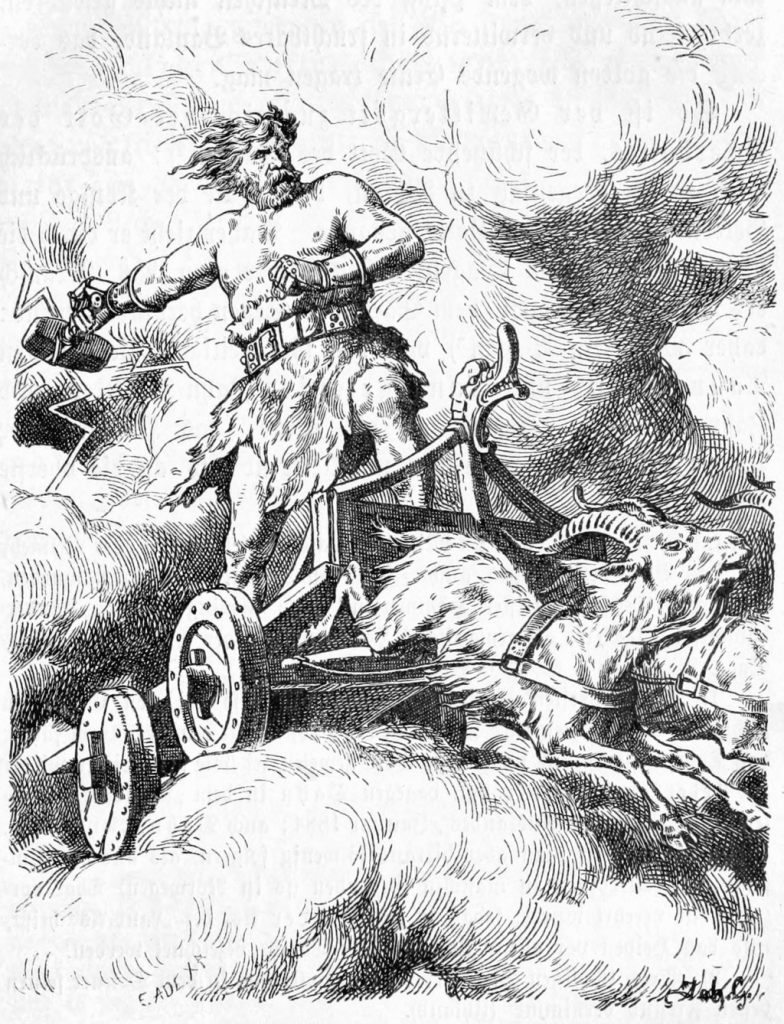
Five days a week (well, technically seven) you use words that are named after gods. Wednesday is Woden’s day. Saturday is Saturn’s day. Sunday and Monday belong to the sun and moon respectively. And Thursday (Þorsdagr in Old Norse) is Thor’s day.
Thor was the son of Odin, wielder of the hammer Mjölnir, and by far the most beloved god in the Norse pantheon among ordinary people. He wasn’t the cleverest (that was Odin). He wasn’t the most beautiful (that was Baldr). But he was loyal, plain-spoken, and his primary occupation was protecting humanity from the giants who perpetually threatened to undo creation. When the storms came, it was Thor’s hammer that drove the chaos back. When the thunder rolled, that was Mjölnir at work.
Farmers prayed to Thor. Sailors called on him. He was the god of the common person, not of kings or scholars, but of people who needed the weather to cooperate and the crops to come in.
When Scandinavian settlers came to Britain, they brought their week with them, including their Thursday. It merged with the existing Latin and Germanic naming conventions, and there it has stayed. Every Thursday morning, whether you’re fighting the commute or grinding through emails or simply making tea, you are spending a day that a thousand years of Norsemen dedicated to their most dependable god.
He kept the giants away. The least you can do is have a decent Thursday every now and then.
Five days of the working week are named after deities; Thursday is arguably the most dramatic. Which day of the week do you think has the best mythological backstory?
Happy Thursday, or whenever you’re reading this.
25. VALKYRIE
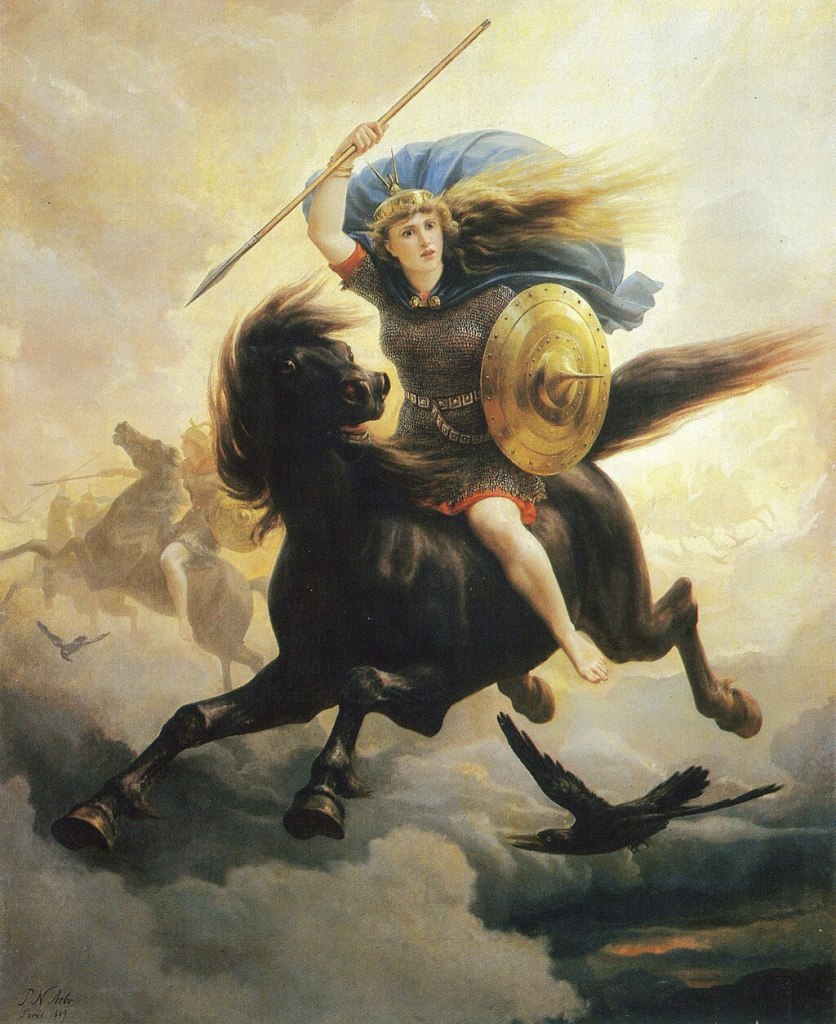
In Old Norse, valkyrja means “chooser of the slain.” Not exactly a job title you’d put on a modern CV, but an important one.
The Valkyries were warrior maidens who rode across battlefields, not to fight, but to decide. After the dust settled and the blood dried, they moved among the fallen and chose which warriors were worthy enough to enter Valhalla, Odin’s great hall, where the honoured dead feasted, drank and prepared for the final battle at the end of the world.
This wasn’t a random selection. The Valkyries were discerning. They evaluated courage, honour, the quality of the fight. Only the most worthy made the cut. The rest were assigned a rather less glamorous afterlife entirely.
The word entered English through centuries of fascination with Norse mythology, appearing in poetry, opera (Wagner made extensive and dramatic use of them) and eventually in everything from warplanes to video game characters to heavy metal albums, which is probably the most fitting modern context.
Next time you use the word, remember: you’re invoking a figure who literally held the balance between glory and oblivion in her hands, and made that judgement on a battlefield.
26. SKULL
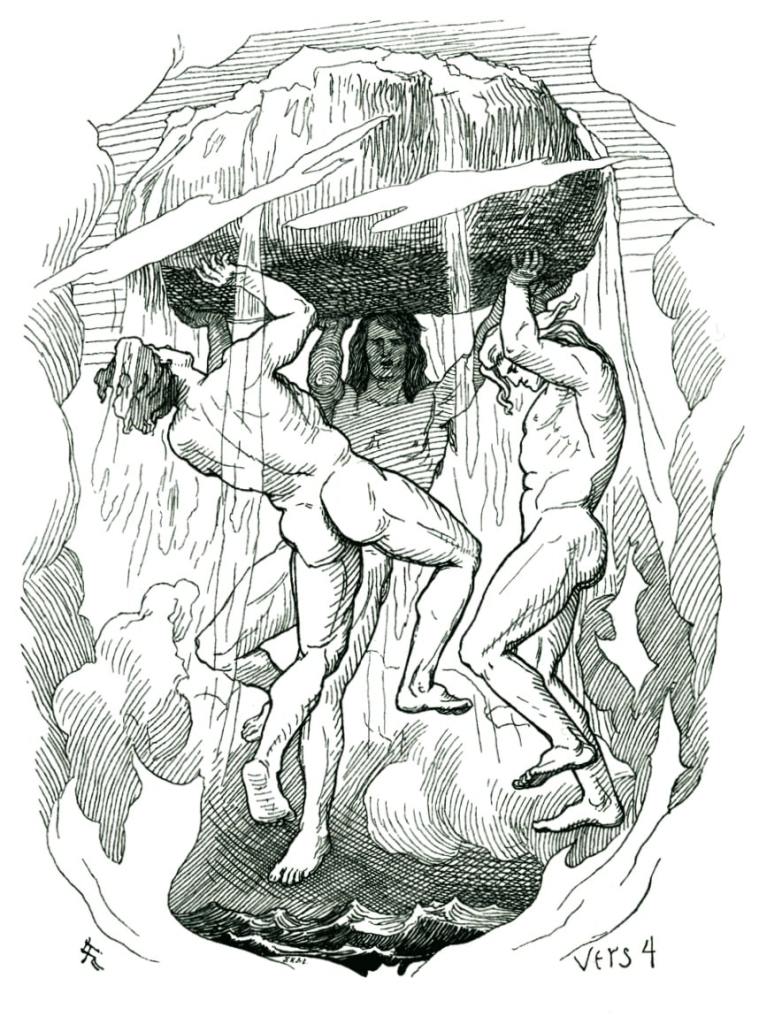
Here’s one for the next time you want to unsettle someone at a dinner party.
The word skull comes from Old Norse skulle, meaning simply ‘head.’ Unremarkable on its own. But the Norse relationship with skulls went considerably deeper than their vocabulary.
In the Norse creation myth, the gods Odin, Vili and Vé slew the primordial giant Ymir and used his body to build the entire world. His flesh became the earth. His blood became the seas. His bones became the mountains. His eyebrows, in a detail that rewards contemplation, became the fence around Midgard, the realm of humans.
And his skull became the sky.
The entire dome of the heavens (everything you see when you look up on a clear night) was, in the Norse telling, the hollowed-out cranium of a giant. The clouds were scattered from his brains.
It is one of the most visceral creation images in any mythology: the whole universe assembled from a single body. And every single time you use the perfectly ordinary word skull, you’re, however distantly, referencing one of the most extraordinary creation stories ever told.
Look up next time it’s clear.
27. GUN
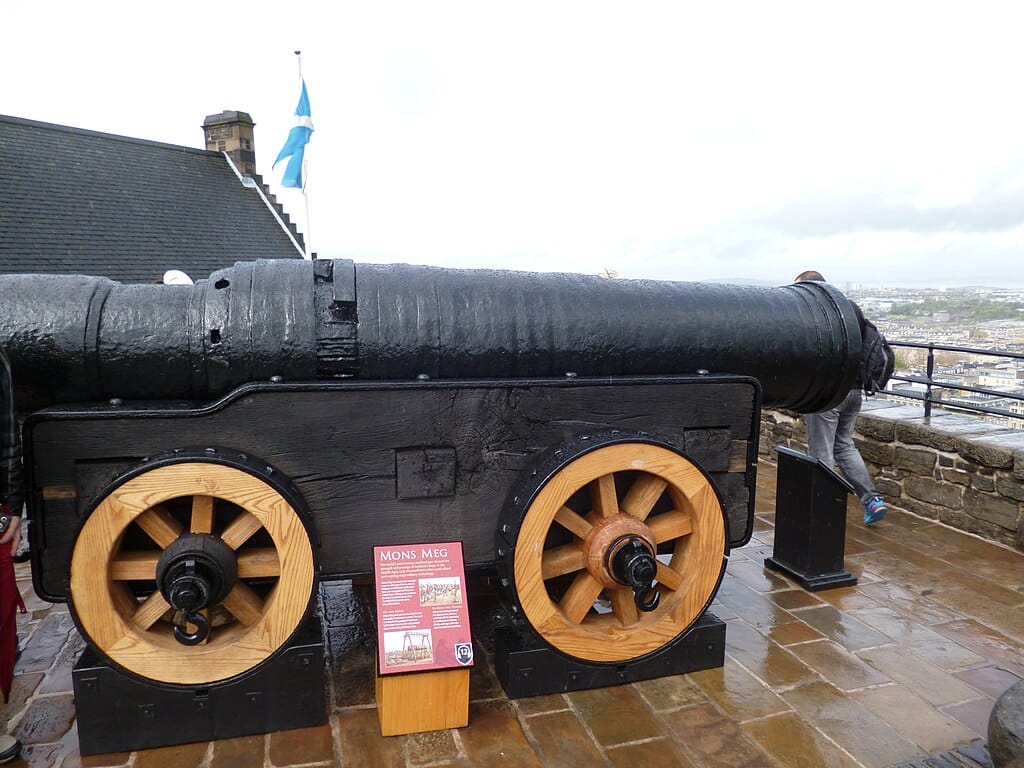
This one surprises almost everyone who hears it.
The word gun does not come from the sound of a gunshot, or from some Latin word for weapon, or from any direction you might expect. It comes from a Viking woman’s name.
Gunnhildr was a common Old Norse female name made up of two elements: gunn and hildr, both of which mean ‘war’ or ‘battle.’ A name so relentlessly martial it essentially translates as “War-Battle.” Someone clearly had high expectations.
In the Middle Ages, large siege weapons, cannons and ballistas were often given women’s names, a tradition that persisted for centuries and explains why ships and hurricanes still receive them today. A large crossbow or mechanical siege weapon at Windsor Castle in the 14th century was recorded as Domina Gunilda, Lady Gunhilda.
Over time, gonne became the general English term for large projectile weapons, and eventually for any firearm at all.
So the most destructive category of weapon in human history is named after a Viking woman whose name meant, twice over, battle. Whether she’d find that satisfying or alarming probably says something about the person answering.
28. SLEUTH
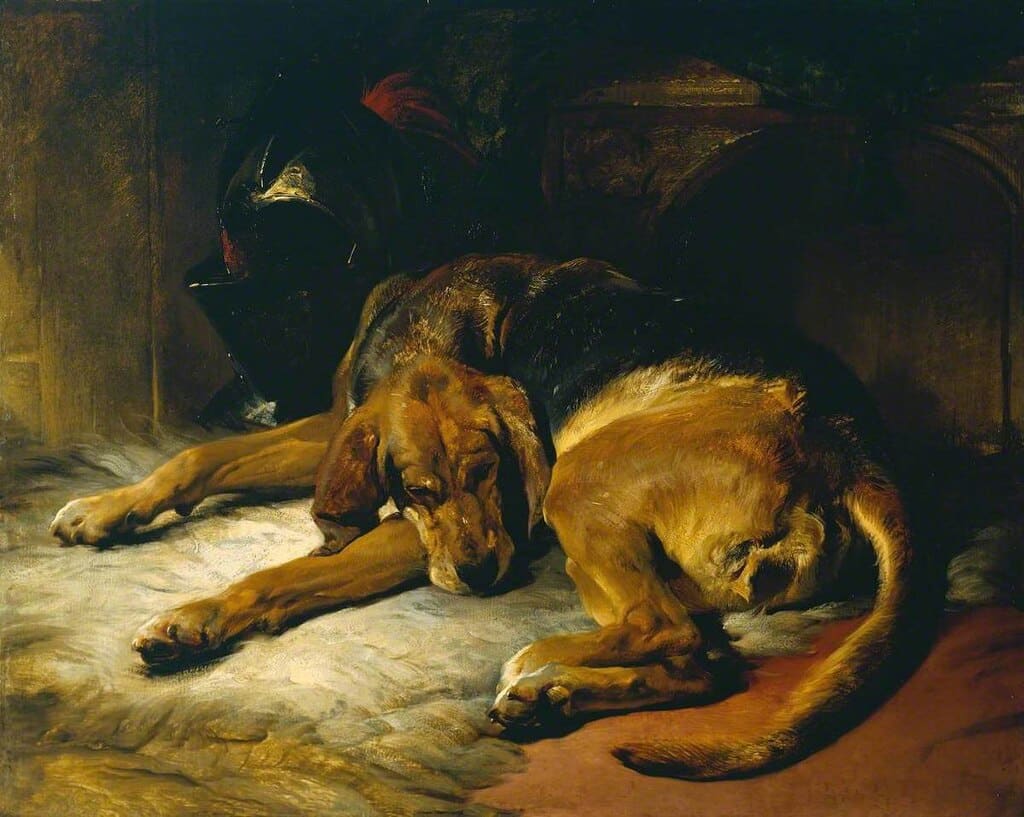
Before a sleuth was a detective, it was a trail.
The word comes from Old Norse slóth, meaning a track or a scent, the kind left behind by an animal, or a person, that a skilled tracker would follow through mud, undergrowth and difficult terrain. In medieval Scotland and northern England, a sleuth-hound was the specific name for a dog bred for exactly this purpose: following a scent trail over great distances. What we’d now call a bloodhound.
The sleuth was the trail. The sleuth-hound was the dog that followed it.
Over the centuries, as tracking became less essential to daily survival and more associated with detective work and criminal investigation, the meaning began to shift. The dog faded from the phrase, but the purpose (relentlessly following a trail until you find your quarry) was preserved.
By the 19th century, sleuth had transferred entirely from the hound to the human. A detective who pursued a case the way a good dog pursues a scent: patiently, methodically, and with remarkable persistence.
So when you call someone a sleuth today, you’re really saying they have the instincts of a very good tracking dog. Most investigators would probably take that as a compliment.
Fables, Sayings and Hidden Stories
29. SOUR GRAPES
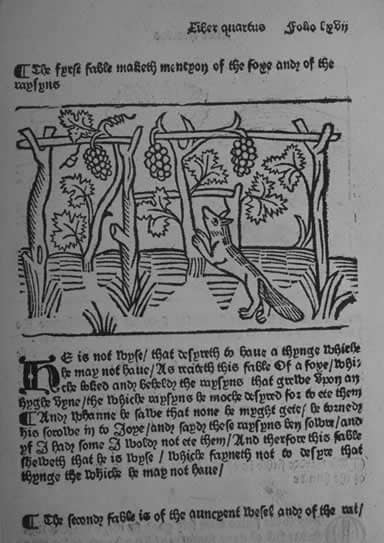
Aesop’s fox was hungry.
He spotted a bunch of ripe grapes hanging high on a vine, plump and purple, exactly what he wanted. He leapt for them. Missed. Backed up and leapt again. Missed. Tried from a different angle, picked up a little more speed, really committed to the jump. Still missed. The grapes hung there, utterly unbothered, well out of reach.
The fox paused. Assessed the situation. Rearranged his dignity.
“They were probably sour anyway,” he said, and walked away.
Aesop wrote this fable roughly 2,600 years ago, and in the intervening millennia exactly nothing has changed about this particular human behaviour. We dismiss what we can’t have. We retroactively discover flaws in the things we failed to get. The job we didn’t land was probably a terrible company anyway. The person who rejected us clearly wasn’t that interesting. The opportunity that slipped by would have been too much work.
The fox couldn’t have known if the grapes were sour. That wasn’t the point. The point was that walking away with your tail between your legs is humiliating, and calling the grapes sour costs nothing and restores a little self-respect.
We’ve been doing it ever since.
“Sour grapes” has been our shorthand for this exact psychological manoeuvre for centuries, dismissing what we couldn’t reach as if we’d never really wanted it. Aesop saw us clearly. He usually did. Around 2,600 years of human observation and we still haven’t changed the behaviour, only the vocabulary.
30. CRY WOLF

The boy in Aesop’s fable wasn’t malicious, exactly. He was bored.
He’d been sent to watch the village sheep on a hillside, which is not, by any measure, an exciting job. So he cried wolf. “Wolf! Wolf!” he shouted, and the villagers came running with their tools and their worry and their sense of community. When they arrived, panting, to find a boy laughing and no wolf whatsoever, they were annoyed. They went back to the village.
He did it again. They came again. They left again, this time furious.
Then the wolf came.
The boy screamed for real. “Wolf! Wolf!” He shouted until his voice cracked. Nobody came. The wolf moved through the flock with the calm efficiency of an animal that has not been lied about twice this week, and the sheep were gone.
The lesson is almost brutally simple: lie often enough, and the truth becomes indistinguishable from the lie. Trust, once broken repeatedly, doesn’t just wear thin; it disappears. When you finally need people to believe you, they won’t have the equipment for it anymore. You’ve borrowed against their credulity until the account was empty.
Aesop told this story around 600 BC. It has aged extremely well. You can find its modern equivalents in politics, in media, in corporate communications, anywhere that credibility is spent faster than it can be rebuilt.
The wolf is always real, eventually. The question is whether anyone will still be listening when it arrives.
31. DOG IN THE MANGER
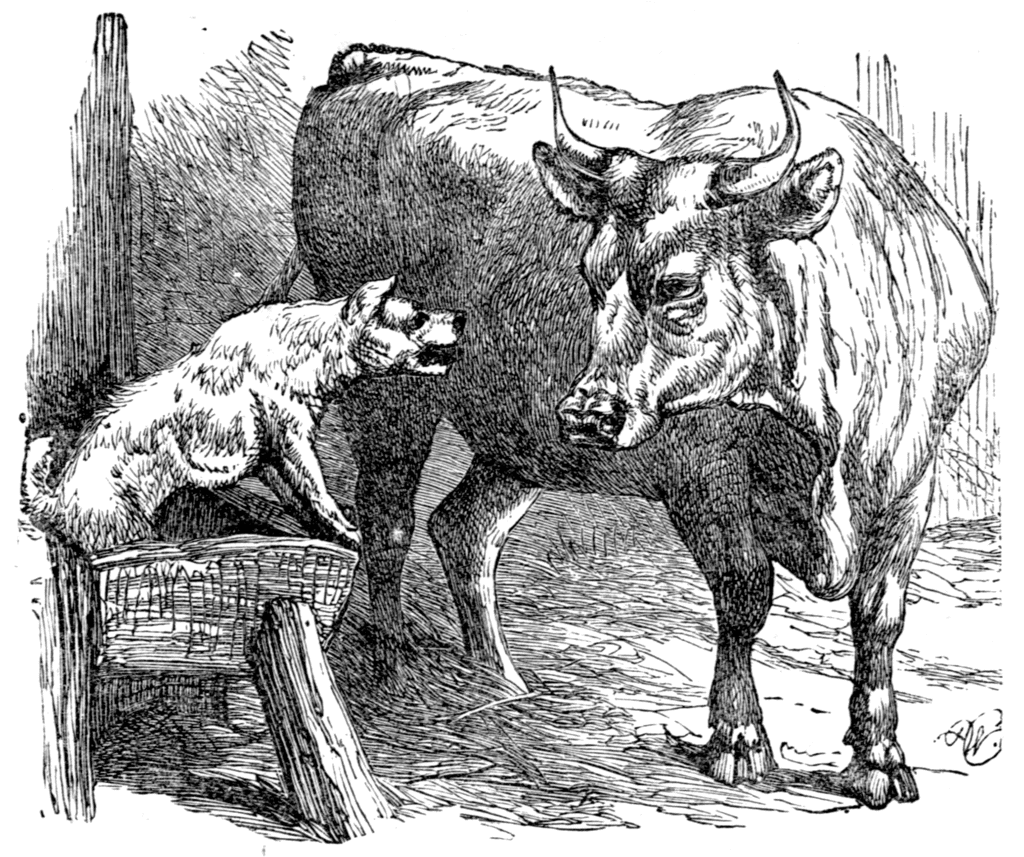
One of Aesop’s most psychologically sharp observations, and it’s been doing the rounds for over 2,500 years because it’s never stopped being accurate.
A dog had settled itself comfortably into a manger full of hay. When an ox came to eat, the dog snarled and snapped and refused to let it anywhere near the food. The ox, baffled and not unreasonably irritated, pointed out: “You can’t eat hay yourself. Why won’t you let me have it?”
The dog had no answer, because spite doesn’t need one. It only needs opportunity.
A ‘dog in the manger’ is the person who won’t let others enjoy what they themselves have no use for. The colleague who blocks an opportunity they don’t want, spoils a relationship they’ve abandoned, or guards a resource simply to deny it to someone else. There is no personal benefit. There is only the satisfaction of prevention.
Aesop was documenting human nature here, not canine behaviour. Dogs, to be fair to them, are generally quite reasonable about hay.
The phrase entered English via the 16th century and has remained in steady use ever since, because the behaviour it describes has absolutely never gone out of fashion.
32. WOLF IN SHEEP'S CLOTHING
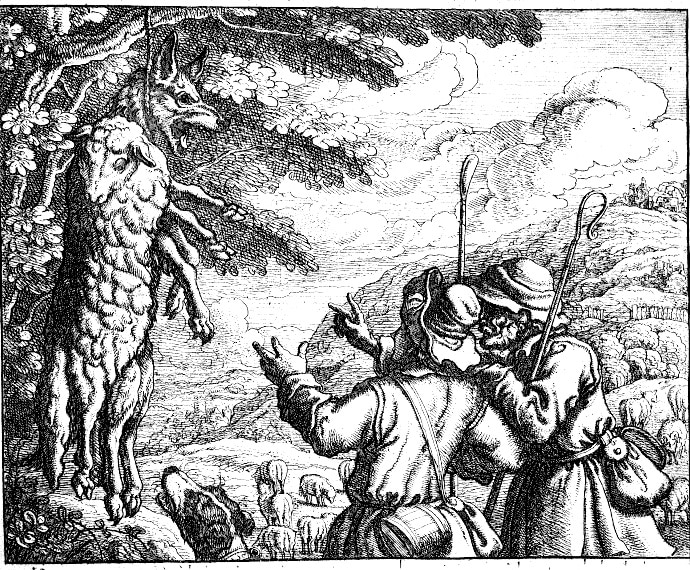
One of the oldest warnings in the world, and it applies just as readily today to every boardroom, every first date, and every comment section on the internet.
In Aesop’s fable, a wolf found a sheepskin and had a quiet moment of inspiration. He draped it over himself, slipped into the flock, and spent several very productive evenings helping himself to sheep without raising a single alarm. It was going brilliantly, right up until the evening the shepherd chose him for supper.
Aesop’s point was neat: disguise is useful, but it has limits. You can wear the fleece for a long time. You cannot always control when the shepherd reaches for his knife.
The image proved so resonant that the Bible adopted it directly. In Matthew 7:15, Jesus warned of false prophets who would arrive as wolves in sheep’s clothing, written roughly a century after Aesop, using his exact metaphor without apology.
From there it passed into everyday language as shorthand for any threat dressed up as something harmless, any predator presenting as an ally. The wolf hasn’t changed across two and a half thousand years of literature. Only the clothing varies.
33. THE LION'S SHARE

In another of Aesop’s fables (he was extraordinarily productive for a man who may not have actually existed), a lion, a fox, a jackal and a wolf went out hunting together and brought down a stag.
The lion, being the lion, stepped forward to divide the spoils. He separated the stag into four equal portions with great ceremony. Then he announced his reasoning.
The first quarter was his, as king of beasts, only right and proper. The second was his, by right of his superior strength. The third was his, in proper recognition of his personal courage in the hunt. As for the fourth, he claimed that too, and invited anyone who fancied disputing it to step forward.
Nobody stepped forward.
‘The lion’s share’ has meant “the majority” since Aesop’s time, but strictly speaking it means everything. Aesop wasn’t describing generosity with a slight bias; he was describing total acquisition dressed up in the language of fair division, a technique that has aged, unfortunately, very well.
Three equal portions handed over with a smile and one claimed through implied threat is not a negotiation. It’s a demonstration of who holds the power. Very different thing.
34. CROCODILE TEARS
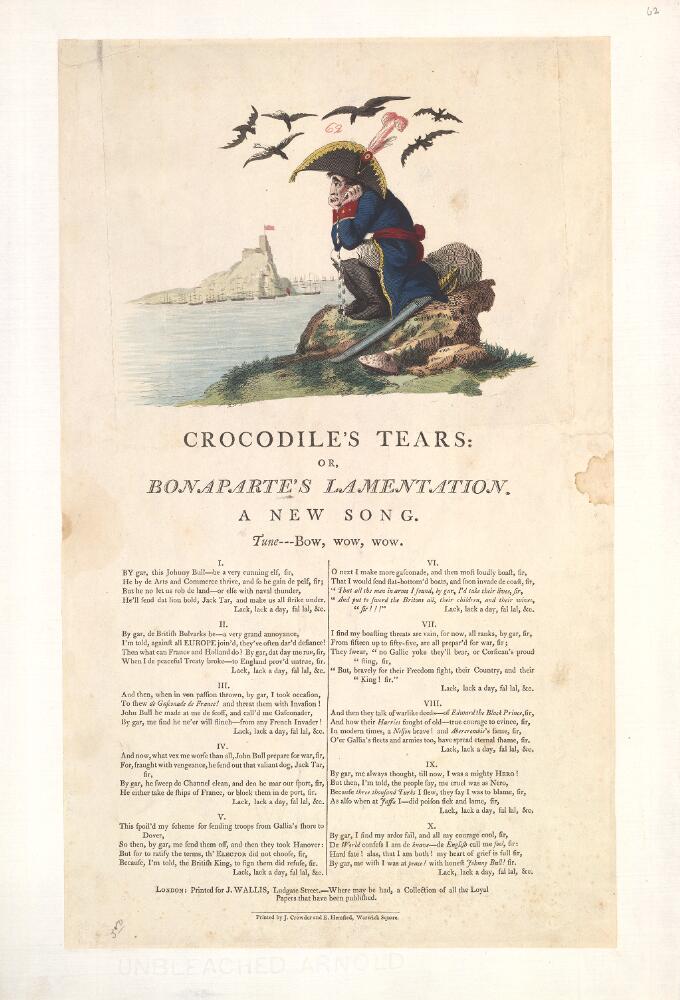
Medieval scholars were many things, but they were not always zoologically reliable.
For centuries, it was widely believed that crocodiles wept while eating their prey, shedding genuine, heartfelt tears over the meal they were, at that very moment, consuming. This belief circulated in bestiaries (illustrated natural history books of the medieval period) and made it into literature from at least the 14th century. Sir John Mandeville, in his Travels of around 1400, described crocodiles that “slay men, and then eat them weeping.”
The image was simply too good to let go of. Weeping over the very thing you are destroying: grief as theatre, sorrow as performance. Insincere emotion worn as a costume to improve the impression you’re making on observers.
‘Crocodile tears’ became the settled phrase for any hollow display of grief or sympathy: manufactured emotion in the service of something else entirely.
The genuinely amusing part of all this, is that crocodiles do produce what appears to be tears when eating. Not from remorse, but for physiological reasons involving glands near their eyes that activate during feeding. The medieval scholars weren’t entirely wrong. They simply misread the motive quite spectacularly.
The moral stands regardless of the biology.
35. SPILL THE BEANS
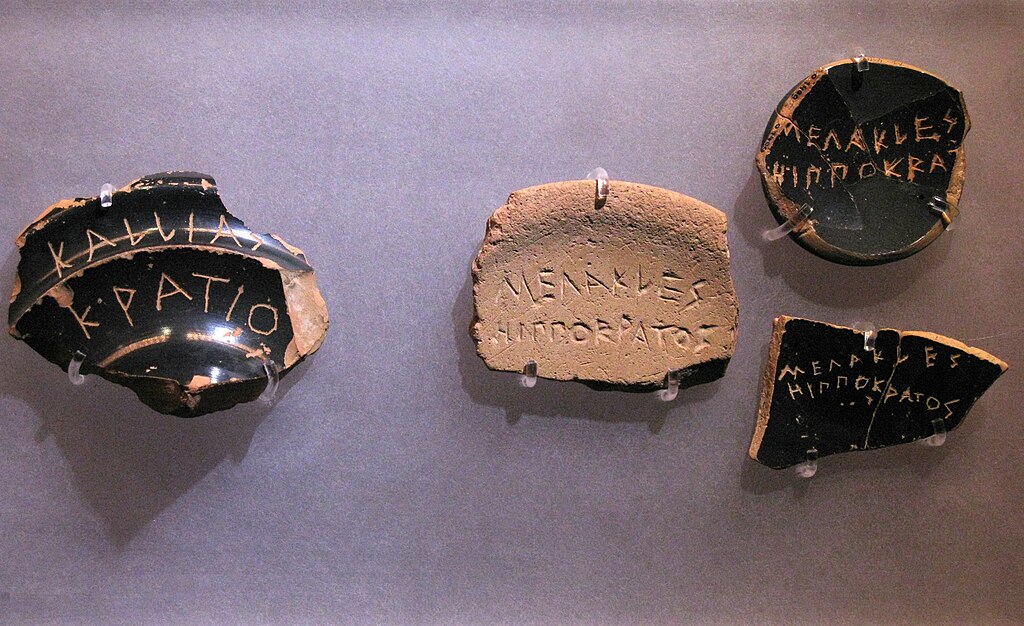
This one has a pleasingly ancient possible origin, though historians are scrupulously honest about the fact that there’s genuine debate here.
One theory traces the phrase back to ancient Greek democratic practice. Secret votes were cast using beans: a white bean dropped into a clay jar for yes, a black one for no. The voting was conducted discreetly, the jar kept hidden, and the result was meant to remain unknown until the count was formally completed. If the jar was knocked over (accidentally, or with intent), the beans spilled across the floor and the result was exposed before its time.
The secret was out. The beans had been spilled.
A competing theory, and one that etymology scholars take seriously, places the phrase in early 20th-century American slang, simply meaning to blurt something out, with no ancient Greek plumbing required. The classical origin is considerably more satisfying, but intellectual honesty requires acknowledging that satisfying origins are not always accurate ones.
What both versions agree on is the essential meaning that has endured: to spill the beans is to reveal what was supposed to stay hidden, whether through clumsiness, poor judgement, or simply the inability to keep quiet when you really should.
Beans have been spilling ever since, in one form or another.
36. STEAL SOMEONE'S THUNDER
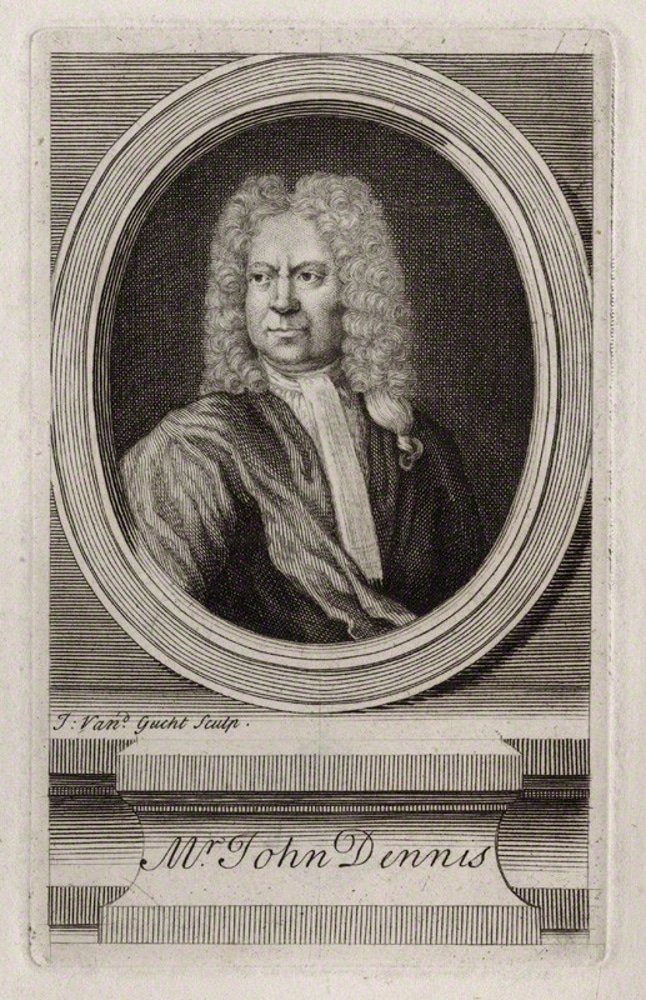
This is quite possibly the most satisfying origin story in the English language, and it involves a playwright having a truly spectacular run of bad luck.
In 1709, the writer John Dennis invented a new technique for creating realistic thunder sound effects for his play Appius and Virginia, staged at the Drury Lane Theatre in London. The method worked beautifully: genuine, convincing theatrical thunder, far better than what had come before. The play, however, did not work at all. It flopped badly. The run was cancelled and the theatre moved on.
A short time later, Dennis attended a production of Macbeth at the same theatre. From his seat in the audience, he heard his own thunder machine being used by someone else. They had taken his invention without permission or acknowledgement.
He reportedly rose from his seat and announced to the theatre: “They will not let my play run, but they steal my thunder!”
The play has been forgotten for over three hundred years. The phrase he coined in that moment of entirely justified indignation has been in constant use ever since.
To steal someone’s thunder now means to upstage someone or take credit for another’s work or idea. It started as one man’s very specific complaint about creative theft. It became a universal expression.
John Dennis: forgotten playwright, immortal phrasemaker.
37. TURN A BLIND EYE
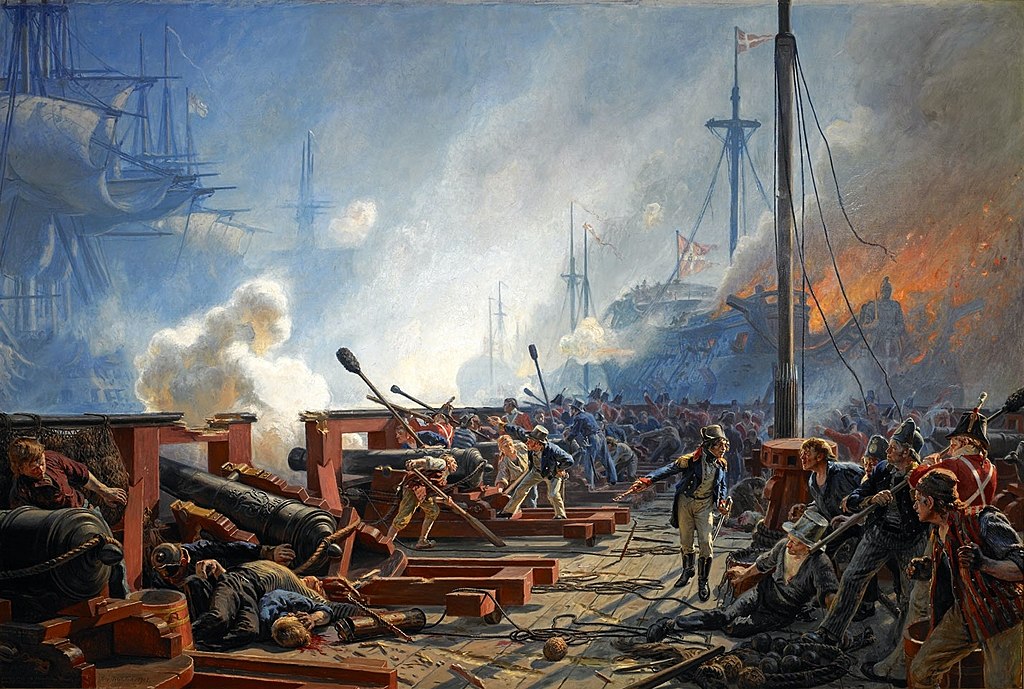
On the 2nd of April 1801, the British fleet under Admiral Hyde Parker engaged the Danish at the Battle of Copenhagen. The fighting was intense, casualties were mounting, and Parker, observing from a distance, decided it was time to disengage. He ordered a signal flag to be raised: Number 39. Discontinue the engagement. Withdraw.
His second-in-command, Vice Admiral Horatio Nelson, had rather different views on the matter.
Nelson raised his telescope to his right eye, the eye he had lost to a musket ball in an earlier campaign and which was, medically speaking, entirely non-functional. He studied the signal flags at length. He then lowered his telescope and reportedly said: “I really do not see the signal.”
He turned back to the battle. He continued fighting. He won.
Nelson knew exactly what he was doing. The telescope to the blind eye was deliberate, the justification theatrical, and the outcome, as history recorded, completely vindicated. Parker’s order was technically correct. Nelson’s defiance was also correct. Sometimes these things coexist.
To “turn a blind eye” means to choose, quite consciously, not to see something inconvenient. Whether it’s a weakness, a warning, or an order you’d rather not follow. The phrase has been with us since Nelson demonstrated, definitively, that it can sometimes be the right call.
38. PEEPING TOM
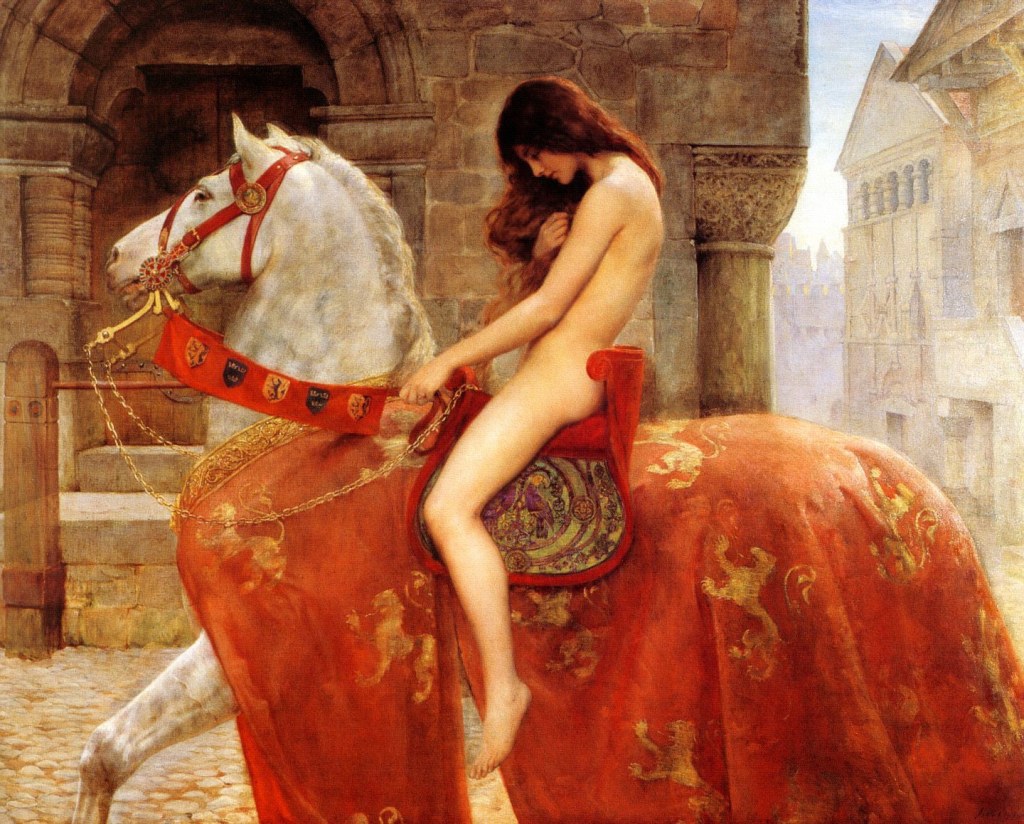
The legend of Lady Godiva is well known: an 11th-century noblewoman who rode naked through the streets of Coventry to protest her husband Leofric’s crushing tax burden on the townspeople. The earliest written versions of the story date from the 13th century.
According to the legend, Leofric agreed to lift the taxes if she dared to make the ride. She dared.
The townspeople, showing either great respect or a finely calibrated sense of self-interest, agreed to stay indoors with their shutters closed as she passed. And according to the story, they honoured that agreement.
All except one.
Tom (a tailor in most versions) bored a hole in his shutter and looked. In some tellings, he was immediately struck blind for the transgression. In grimmer variants, he was killed. The story is not sympathetic to Tom.
The name “Peeping Tom” as a specific character didn’t appear in the written record until the 17th century, though the legend of Godiva is considerably older. From there the phrase entered common use as a term for someone who observes others without their knowledge or consent: a voyeur who mistakes curiosity for a right.
Coventry eventually put a statue of Peeping Tom on the city’s buildings. They seem to have made their peace with him.
39. BITE THE BULLET
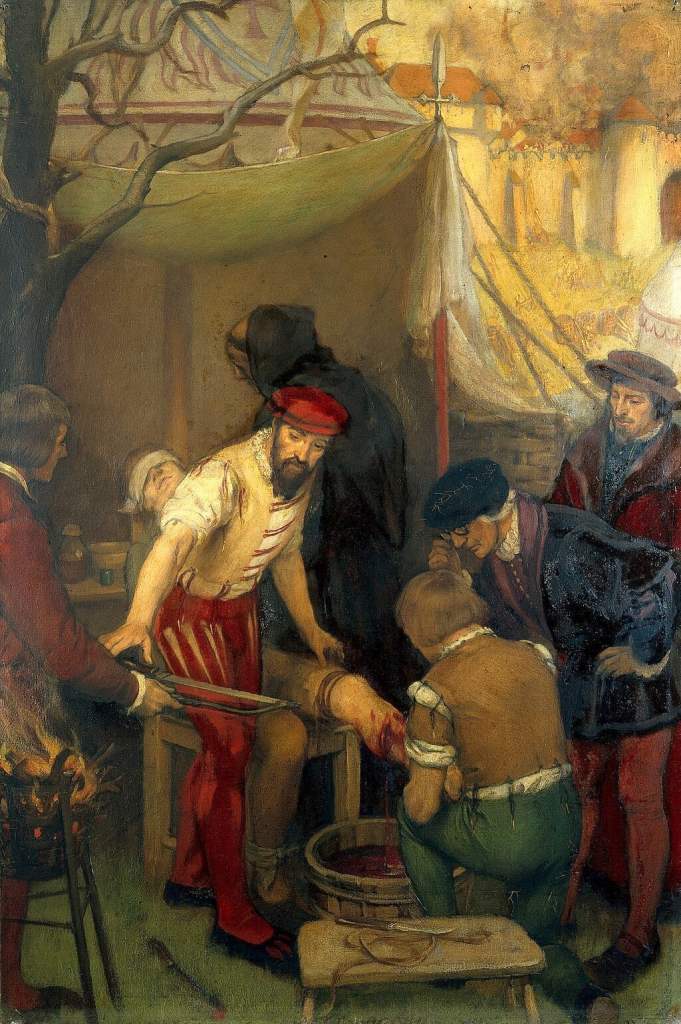
Before anaesthesia was routinely available on the battlefield (and for much of the 19th century it was not, at least not reliably or quickly enough), soldiers who required emergency surgery in the field were handed something to bite down on while the work was done.
Sometimes it was a strip of leather. Sometimes, in a detail that is both practical and grimly poetic, it was an actual bullet.
The purpose was twofold. Clenching the jaw on something hard gave the body a physical outlet for the pain and helped prevent the soldier from biting through his own tongue. It also helped limit the movement that would make the surgeon’s job considerably more dangerous and difficult. It was not a comfort measure. It was simply what had to be done.
The phrase entered English as an expression for facing something painful, frightening or deeply unpleasant with composure and determination. To clench your jaw, accept the reality, and endure it.
Today it gets used for everything from difficult conversations to overdue dental appointments, which puts things in stark perspective given its origins. The phrase was coined by and for people in genuine, unmedicated agony on a battlefield.
Next time something feels hard and you tell yourself to bite the bullet, the comparison is fairly instructive.
40. LET YOUR HAIR DOWN
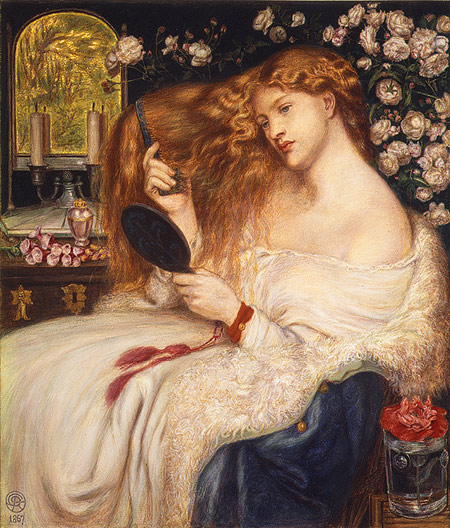
In the 17th century, a woman of social standing maintained two quite distinct versions of herself, and you could tell which one you were getting by looking at her hair.
In public, it was elaborately dressed: pinned, styled, fixed in place with considerable effort and a significant number of hairpins. It was part of her public presentation, as carefully constructed and maintained as her clothing, her manner or her conversation. It signalled status, respectability and composure.
In private, when washing, brushing or simply resting at the end of the day, it came down. This undone, unguarded state had its own word: dishevelled, from the Old French deschevelé, meaning ‘with hair loosened.’ The very word for disorder came from the hair being unpinned.
To let your hair down was to shed your public persona entirely. To appear as you actually were, rather than as you chose to present yourself. It was an act of trust as much as relaxation; only the right company warranted it.
The phrase passed into everyday English with exactly that meaning: to relax fully, to be yourself, to drop the performance for the evening. The hairstyles have changed beyond recognition since the 17th century. The distinction between who we are in public and who we are in private hasn’t changed at all.
41. EAT HUMBLE PIE

In 14th-century England, after a successful hunt, the lord of the manor and his guests sat down to the finest cuts: the prime venison, the choice joints, the food that announced wealth and status to everyone at the table.
Everyone else got something rather different.
The heart, liver, kidneys and entrails of the deer were collectively known as the numbles or umbles. They were baked into a pie and served to the servants, the lower household staff, the people who had done the actual work. It was filling. It was nutritious. It was absolutely, unmistakably not what was being served to the people upstairs. To eat umble pie was to know, in the most literal and dietary sense, your place in the order of things.
Over time, through a linguistic process called aphesis (the gradual dropping of an unstressed initial syllable), umble softened into humble. The original word for offal quietly acquired the phonetic form of the word for modesty, and the two meanings fused until they became inseparable.
To eat humble pie now means to admit you were wrong and accept the necessary consequences with appropriate contrition. To acknowledge, however reluctantly, that you misjudged the situation or overestimated your position.
The pie has changed. The lesson of knowing your place at the table has not.
42. FREELANCER

The modern freelancer, working from a coffee shop or kitchen table, juggling multiple clients, maintaining a carefully managed sense of professional independence, has a considerably more dramatic lineage than their laptop might suggest.
In medieval Europe, knights who owed no permanent allegiance to any lord or crown were known as free lances. Their lance, and, crucially, their loyalty, was available to whoever paid best and had the most interesting campaign running. They were skilled mercenaries: trained, armed, experienced, and unattached. The free referred not to cost but to freedom from feudal obligation. They served at their own discretion.
The term was given its modern form by Sir Walter Scott in his 1820 novel Ivanhoe, where he used ‘free lance’ to describe exactly this kind of itinerant mercenary knight, skilled, independent, available.
From there, over the following decades, the term migrated from armed knights to writers, journalists, artists and contractors: anyone who sold their particular skills to multiple employers without binding themselves permanently to a single one.
The lance has been replaced by a laptop. The invoice has replaced the sword. The principle (skills, availability, payment on delivery) is identical to what it was in the 13th century.
The main difference is that modern clients are considerably less likely to put you on a horse.
Words Forged in History
43. WRITING ON THE WALL
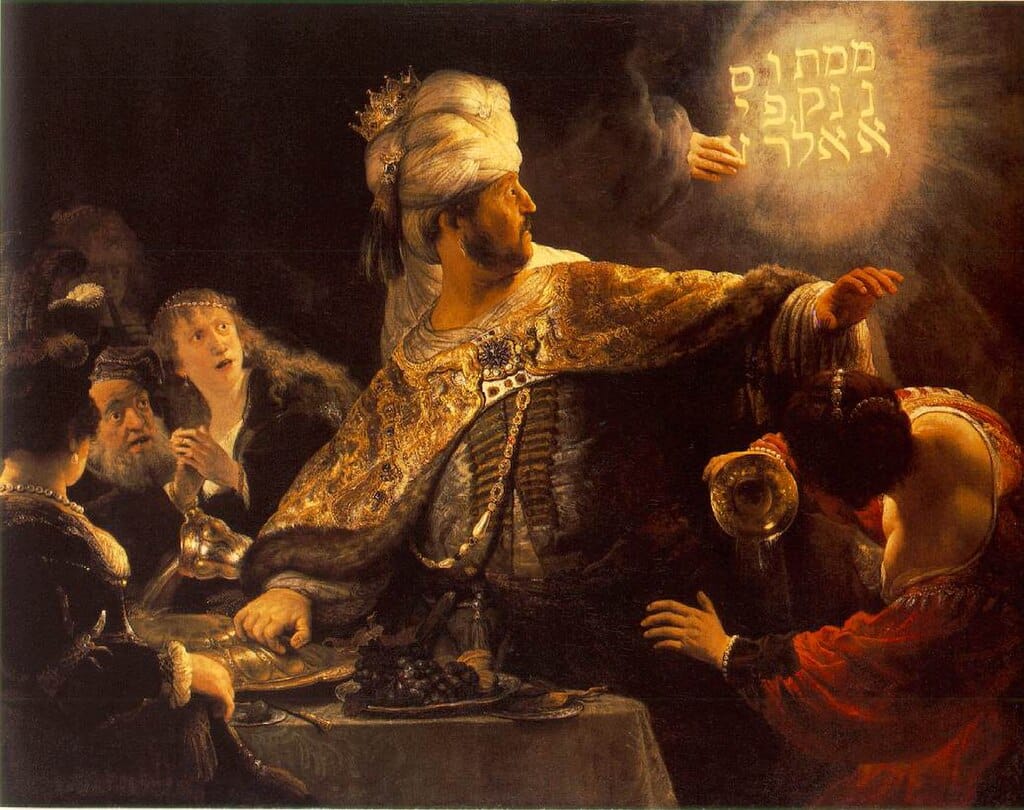
This one comes from the Bible, specifically the Book of Daniel, and it is one of the stranger scenes in all of scripture.
King Belshazzar of Babylon was holding a magnificent feast, drinking freely and entertaining his nobles and wives and concubines in considerable style. To add a touch of ceremony to the occasion, he ordered that the sacred golden and silver vessels looted from the Temple in Jerusalem be brought out as tableware for his guests.
Then a disembodied hand appeared, lit by the lamps of the banqueting hall, and began writing on the plastered wall.
Belshazzar went pale. His knees knocked together (the text is specific about this). He summoned every wise man and astrologer in Babylon to interpret the writing, and not one of them could. Eventually the prophet Daniel was brought before him. Daniel read the words, mene mene tekel upharsin, and delivered his verdict without softening it.
Belshazzar had been weighed. Measured. Found wanting. His kingdom was finished, divided among his enemies.
That very night, Belshazzar was killed.
“The writing on the wall” has meant an ominous warning, a sign of imminent ruin, ever since. What makes the phrase interesting is its implication: when you finally see the writing, the time to act on it may already have passed.
44. ACHILLES' HEEL
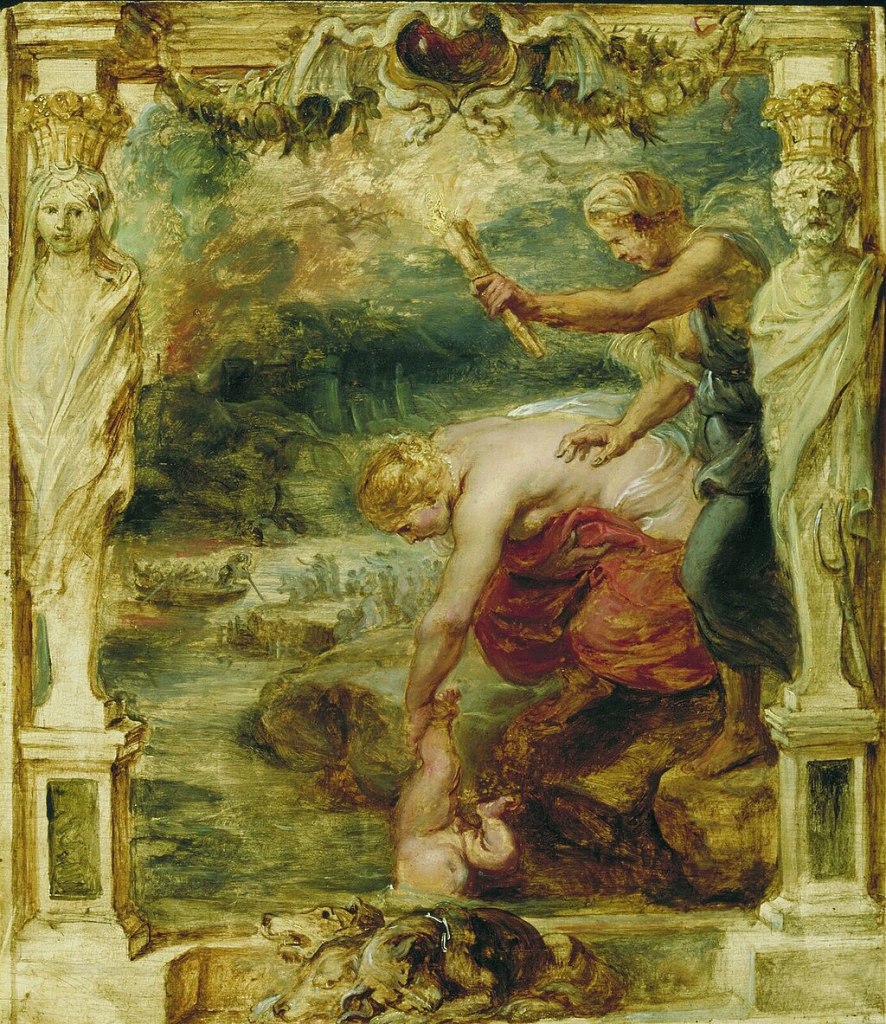
When the sea-nymph Thetis gave birth to her son Achilles, she was determined that no ordinary mortal fate would claim him. She took the infant to the River Styx, the dark boundary between the world of the living and the realm of the dead, and dipped him in its waters.
The waters of the Styx conferred invulnerability. Whatever they touched could not be harmed by mortal weapons.
She held him by his heel.
Achilles grew to become the greatest warrior of the Trojan War: faster, stronger, more ferocious than any man alive. Spears didn’t touch him. Swords glanced off. For ten years he was effectively unkillable, the terror of the battlefield. And then Paris, guided by the god Apollo, drew his bow and found the one spot, the single small area of skin, that the waters of the Styx had never reached.
The word ‘heel’ has carried this meaning since at least the 17th century: the one hidden weakness in an otherwise formidable person or system. The flaw that, if found at the wrong moment, undoes everything built above it.
Everyone has one, apparently.
The myth suggests this is not a design flaw or a personal failing. It is simply the consequence of being held by someone who was trying their best to protect you.
45. PANDORA'S BOX
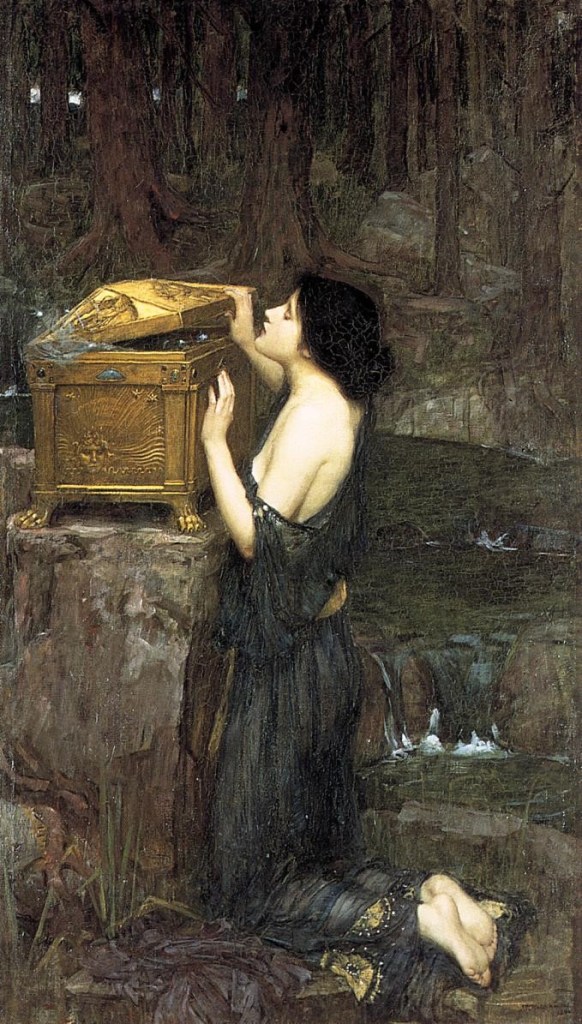
First, a small but persistent correction that tends to annoy classicists: it wasn’t a box. It was a jar.
The Greek word is pithos, a large ceramic storage vessel, the kind used across the ancient world for grain, olive oil and wine. Sometime in the 16th century, the Dutch scholar Erasmus translated it as pyxis, a box, and the error embedded itself so thoroughly in the language that correcting it now feels almost futile. We say ‘box.’ We will probably always say box.
In the original myth, Zeus gave Pandora (whose name means ‘all gifts,’ which is not without irony) a sealed pithos and strict instructions never to open it. Curiosity being what it is, she opened it.
Out flew every evil that afflicts humanity: disease, despair, envy, cruelty, suffering, all the things that make life harder than it ought to be. They scattered across the world and took up permanent residence. What remained inside when Pandora slammed the lid back on was Elpis, Hope.
Scholars have argued for centuries about what this means. Is Hope kept safe inside, preserved for humanity when everything else has gone? Or is Hope the cruellest detail: trapped where we can’t reach it?
To open Pandora’s box remains the phrase for triggering consequences that can never be undone.
46. MIDAS TOUCH

King Midas of Phrygia did a favour for the god Dionysus: he found and cared for Silenus, the elderly satyr companion of the god who had wandered away from the divine retinue and gotten himself thoroughly lost. Dionysus was grateful. He offered Midas any wish he desired.
Midas, without taking a great deal of time to think through the implications, asked that everything he touched be turned to gold.
It worked immediately and spectacularly. A twig became gold. A stone became gold. He ran his hand along a door and it transformed, gleaming. The world was becoming magnificent around him.
Then he sat down to eat.
His bread solidified. His wine became a goblet of liquid gold. And then, in Ovid’s telling of the myth, his daughter ran to embrace him, and she too became a cold, perfect, glittering statue.
Midas begged Dionysus to take the curse back. He was told to wash his hands in the River Pactolus. He did, and the golden touch left him, the river’s sands turning gold as the power drained away, which ancient sources noted explained the Pactolus’s famous gold deposits.
Today the ‘Midas touch’ means a talent for making money. The original story was a warning about the distance between wanting something and surviving it.
47. TROJAN HORSE
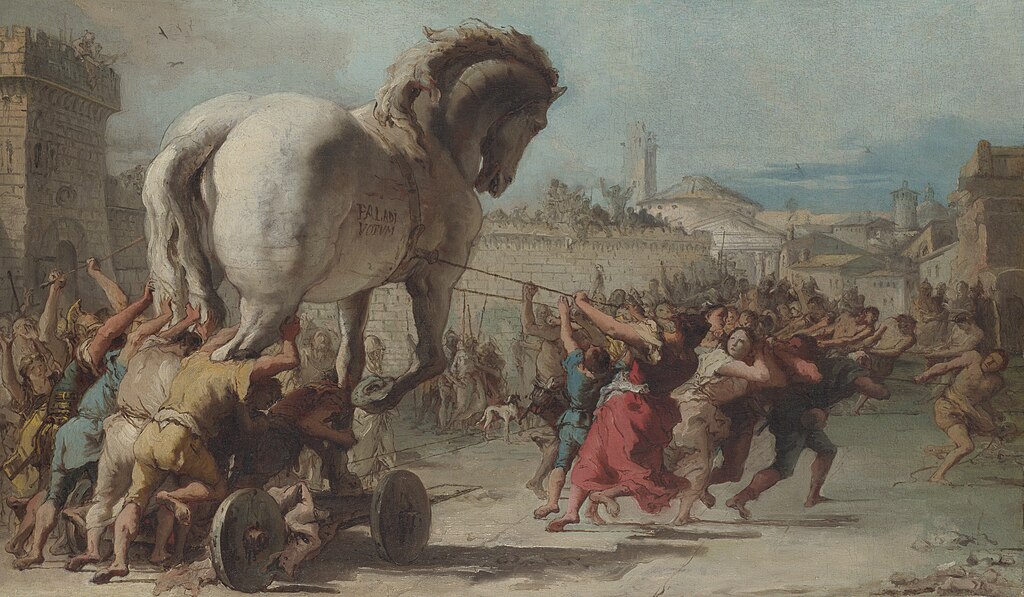
Ten years. The Greeks had been camped outside the walls of Troy for ten years and had not managed to breach them. The walls held. The city held. The patience of every general involved was wearing thin.
Then Odysseus had an idea.
The Greeks constructed an enormous wooden horse (hollow, large enough to conceal a carefully selected group of warriors in its belly) and left it at the gates of Troy. The rest of the fleet then sailed away, or appeared to. A Greek soldier named Sinon was left behind to spin a convincing story about the horse being a sacred offering.
The Trojans debated what to do with this enormous and inexplicable gift. The priest Laocoön famously warned them: timeo Danaos et dona ferentes, “I fear the Greeks, even bearing gifts”, a line so useful that it has never left us. They dragged him away and wheeled the horse inside the city walls anyway.
That night, the soldiers climbed out. They opened the gates. The fleet returned. Troy burned to the ground.
A Trojan horse now means any form of deception that presents itself as a gift or a benefit. In computing, a Trojan is malicious software disguised as something harmless and useful; the ancient trick, perfectly translated into the digital age.
Three thousand years on, it still works.
48. BETWEEN SCYLLA AND CHARYBDIS
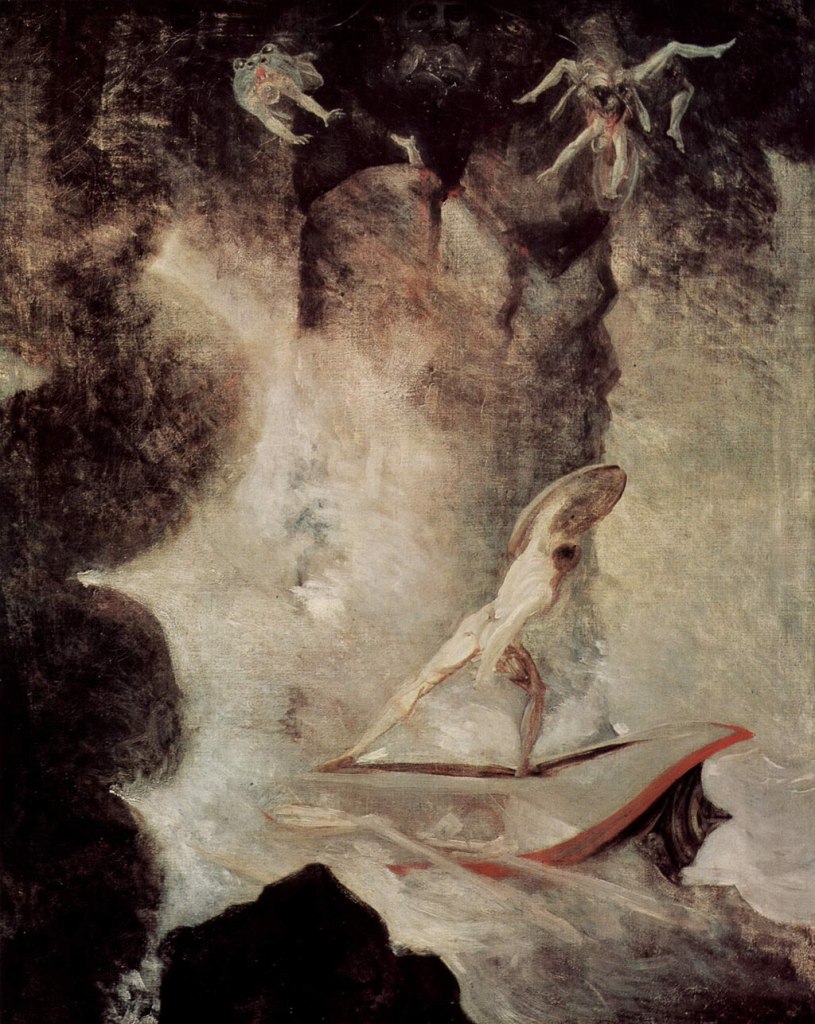
On his long and eventful voyage home from Troy, Odysseus was warned about a particularly unpleasant stretch of water that he had no option but to sail through.
On one side: Scylla, a creature with six heads who lived in a cliff face and snatched sailors from passing ships. Six heads, six sailors per voyage, with the consistency of a toll. On the other side: Charybdis, a massive whirlpool that three times a day sucked the sea down to the ocean floor and three times a day belched it violently back up.
There was no route that avoided both. The only question available was how much to lose.
The goddess Circe gave Odysseus clear-eyed advice: keep close to Scylla’s cliff. You will lose six men. But Charybdis could take the entire ship, and everyone on it. Cut your losses. Choose the smaller disaster.
He followed her advice. He lost six men, sailed through, and continued home.
“Between Scylla and Charybdis” (which we tend to compress into “between a rock and a hard place“) describes a situation where avoiding one danger puts you directly in the path of another, and no option exists that doesn’t cost you something.
The Odyssey is, among other things, a remarkable taxonomy of decisions that cannot be won cleanly. Odysseus understood this better than most.
49. UNDER THE WEATHER

Sailors in the age of tall ships were not men who gave way easily to illness, but when sickness did strike at sea, there was a recognised protocol.
The worst position on a sailing ship in rough conditions was the weather bow, the side of the hull facing directly into the wind, waves and driving rain. It was relentlessly battered, cold, wet and exposed. When crew members fell ill, they were sent below deck, out of the elements: below the weather, out of its direct reach. Under the weather, in the most literal sense of the preposition.
A second account points to ships forced to dock because of severe weather conditions, recorded in port logs as arriving ‘under stress of weather’, the crew sheltering in the hold, unable to work the deck.
Either way, the phrase entered common English usage by the 19th century as a general expression for feeling unwell, and it has remained there ever since.
‘Under the weather’ has one of those curiously gentle, almost pleasant sounds for an expression about feeling dreadful, which perhaps explains its durability. Nobody reaches for it when they’re fine. And yet it sounds like being tucked in somewhere, which may not be entirely accidental.
The next time you’re feeling rough, you’re in the company of a long line of seasick Victorian sailors. Comforting or otherwise.
50. CAUGHT RED-HANDED
This one comes from Scotland, specifically from Scottish legal tradition, and it is exactly as literal as it sounds.
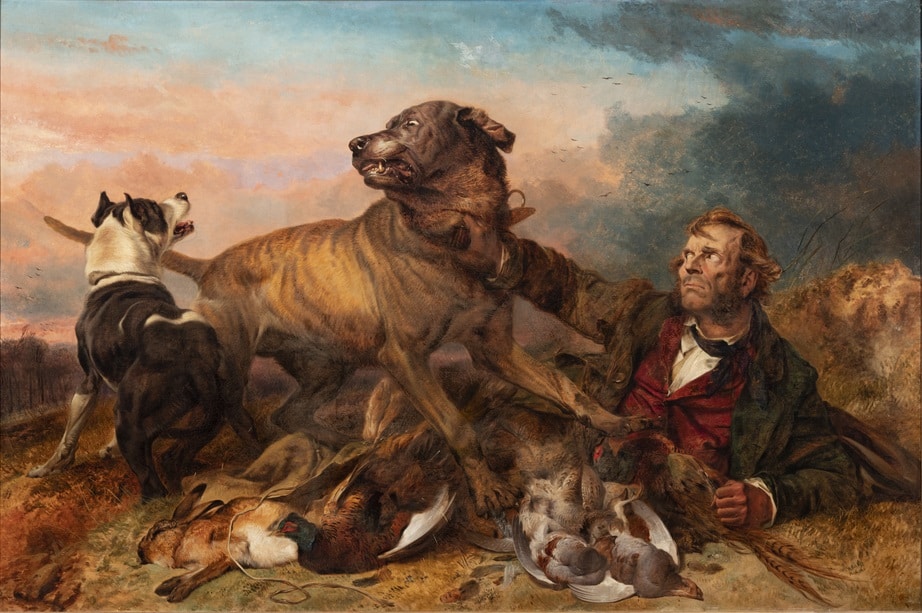
From at least the 15th century, Scottish legal documents used the phrase red hand or taken with the red hand to describe a suspect apprehended with blood still fresh on their hands. Evidence of murder, or more commonly, poaching, the kind of offence where the blood of the deer or the gamebird was still visible on the person’s hands when they were found. There was no arguing about circumstantial evidence or establishing a chain of events. The proof was immediate and physical.
The phrase ‘red-handed’ appears in print from the early 19th century, and Sir Walter Scott, who had a genuine talent for giving wider currency to older Scots expressions and legal terminology, also used it in his 1819 novel Ivanhoe.
Over the following decades, the blood faded from the specific meaning. ‘Caught red-handed’ evolved from a narrow legal term for irrefutable physical evidence into the general English sense of being caught in the act, unmistakably and with no plausible explanation available.
The colour remained long after the literal gore became metaphorical.
It’s one of those phrases that carries dramatic weight even in mundane contexts (caught red-handed eating the last biscuit in the tin), which probably explains why it’s never gone anywhere.
51. BEYOND THE PALE
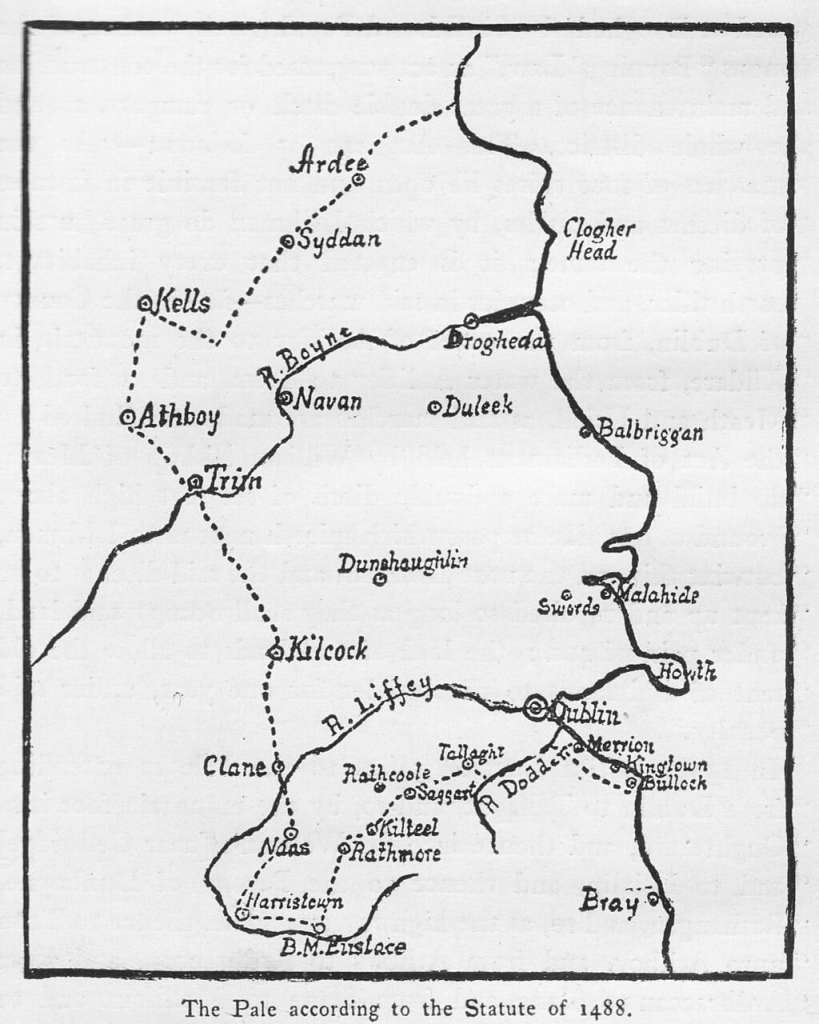
This one is rooted not in myth but in concrete colonial history, and it has an actual geography.
The Pale (specifically, the English Pale in Ireland) was a defined administrative area around Dublin, established and maintained by the English crown during the medieval period. Within the Pale, English law applied. English order prevailed. English standards of governance, language and behaviour were enforced. It was, in the eyes of those who drew its boundaries, civilised territory.
Beyond it was ungoverned Irish land: outside English law, outside English authority, and, in the worldview of the colonial administration, outside the boundaries of acceptable society entirely. The word pale itself comes from the Latin palus, meaning a stake: the physical fence posts that marked the line.
To go ‘beyond the pale’ was to step across the boundary from the governed into the barbarous, at least as those doing the governing defined their terms.
Today the phrase means to act beyond the limits of what is acceptable: too extreme, too offensive, too far outside agreed norms to be tolerated in polite company or professional contexts. It has completely lost its geographical specificity and gained a moral one.
The fence posts of medieval colonial Ireland are still standing in our language, marking the boundary between what is permitted and what is not. It’s worth knowing where the fence was originally built, and by whom.
52. PYRRHIC VICTORY
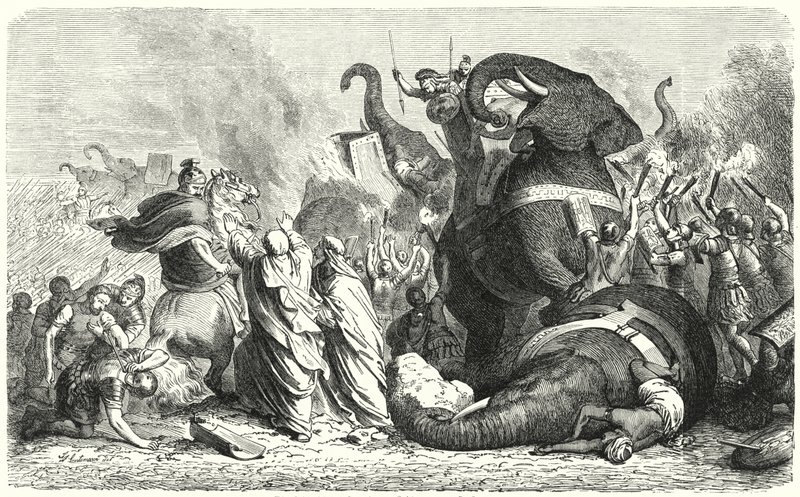
In 279 BC, King Pyrrhus of Epirus led his forces against the Romans at the Battle of Asculum. After two days of intense fighting, the Romans withdrew from the field.
Pyrrhus had won. Technically.
His casualties were catastrophic. His finest officers and most experienced soldiers were dead. The army he had brought from Epirus, a formidable, well-equipped force, had been ground down to something that could barely function as a fighting unit. He surveyed the aftermath and reportedly told those around him: “If we are victorious in one more battle with the Romans, we shall be utterly ruined.”
He was right. He could not absorb another engagement like it. The Romans, with their vast population and administrative machinery, simply replaced their dead and marched back. Pyrrhus eventually abandoned his Italian campaign, finished not by a defeat, but by the sheer cost of his victories.
A Pyrrhic victory is a win that costs so much it functions as a loss. You took the ground. You destroyed yourself in taking it.
The phrase applies with uncomfortable frequency to politics, business, sport, legal disputes, and a depressing range of personal conflicts. The fight is won. The fighter is spent. The other side, with more resources and more patience, has simply waited.
Sometimes the worst outcome available is getting exactly what you fought for.